
A history of London through the names on its transport map
Beneath London's Station Names
Every station name is a doorway into another London. Follow familiar names back through vanished monasteries, royal funerals, fire, roads, theatres, trees, taverns, railways, docks and villages beneath runways.


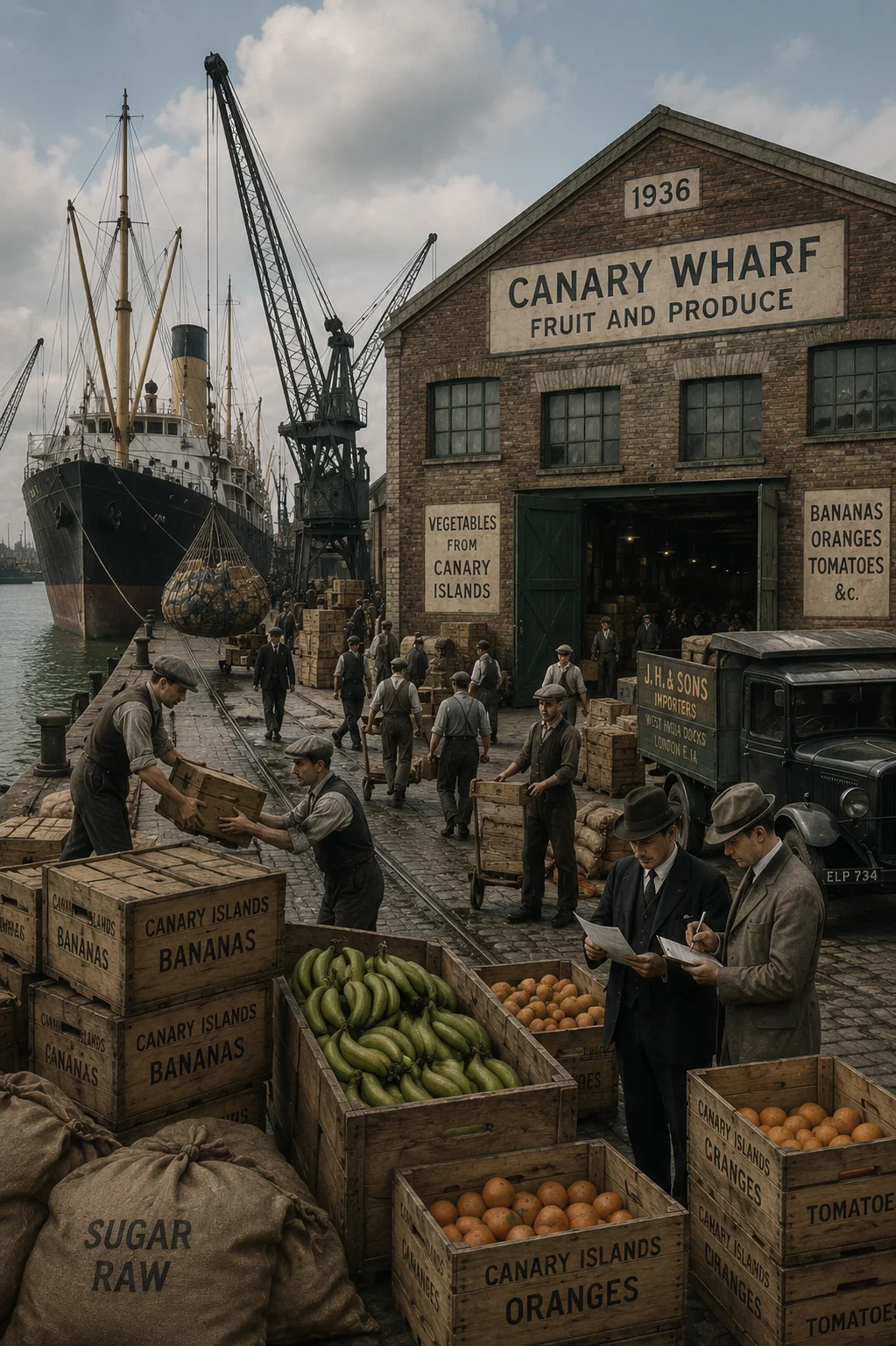

A city read through its map
The history behind famous London Underground station names
The Underground did not create most of these names. It collected them.
The chapters follow the words back to the people, places and events that gave them meaning, then return to the platforms where London still repeats them.
85 journeys
Choose a station or place
Browse the A–Z station and place index
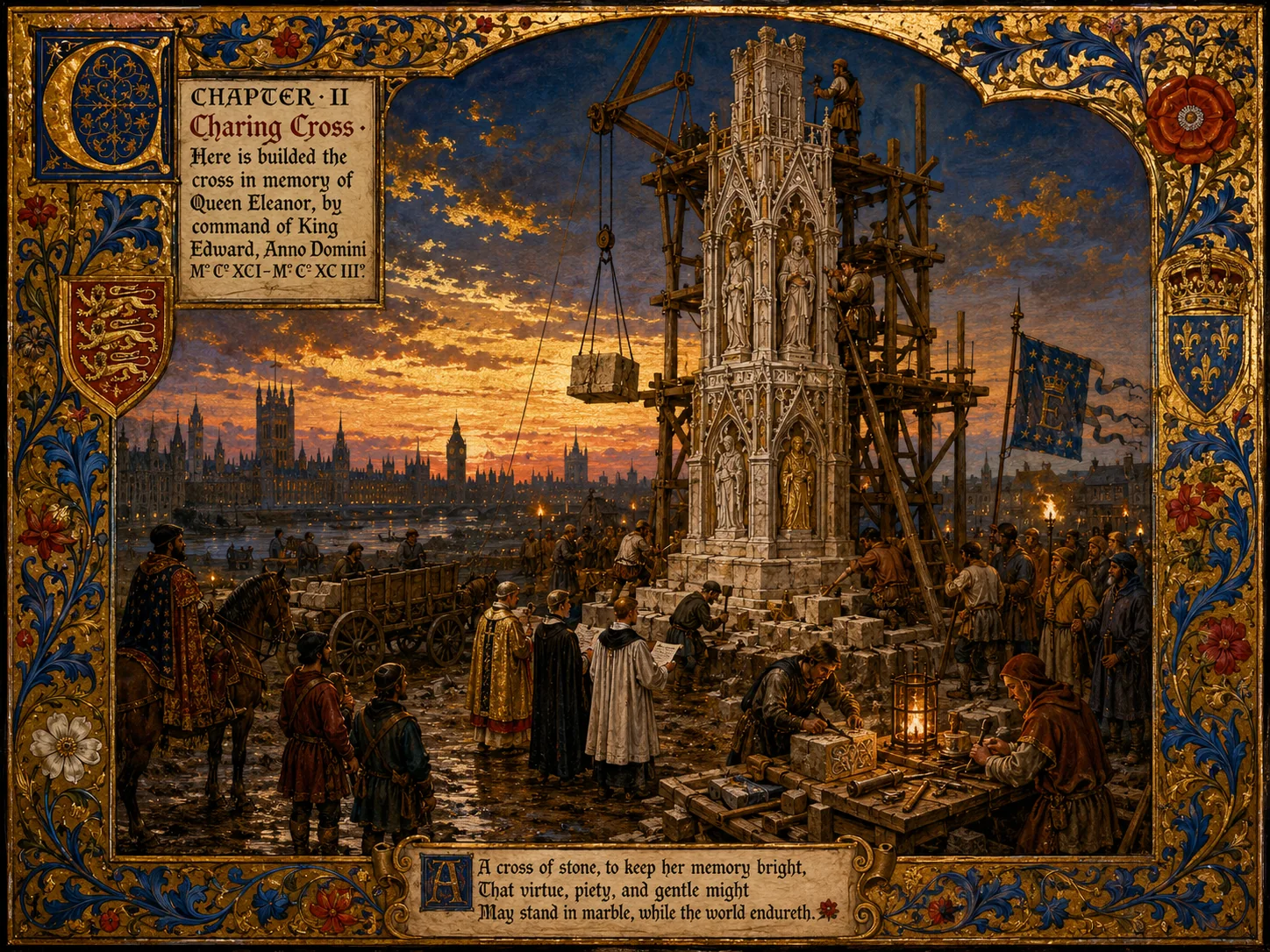
Chapter Two7 min read
Charing Cross
A Queen’s Last Journey and the Cross That Disappeared
Read chapter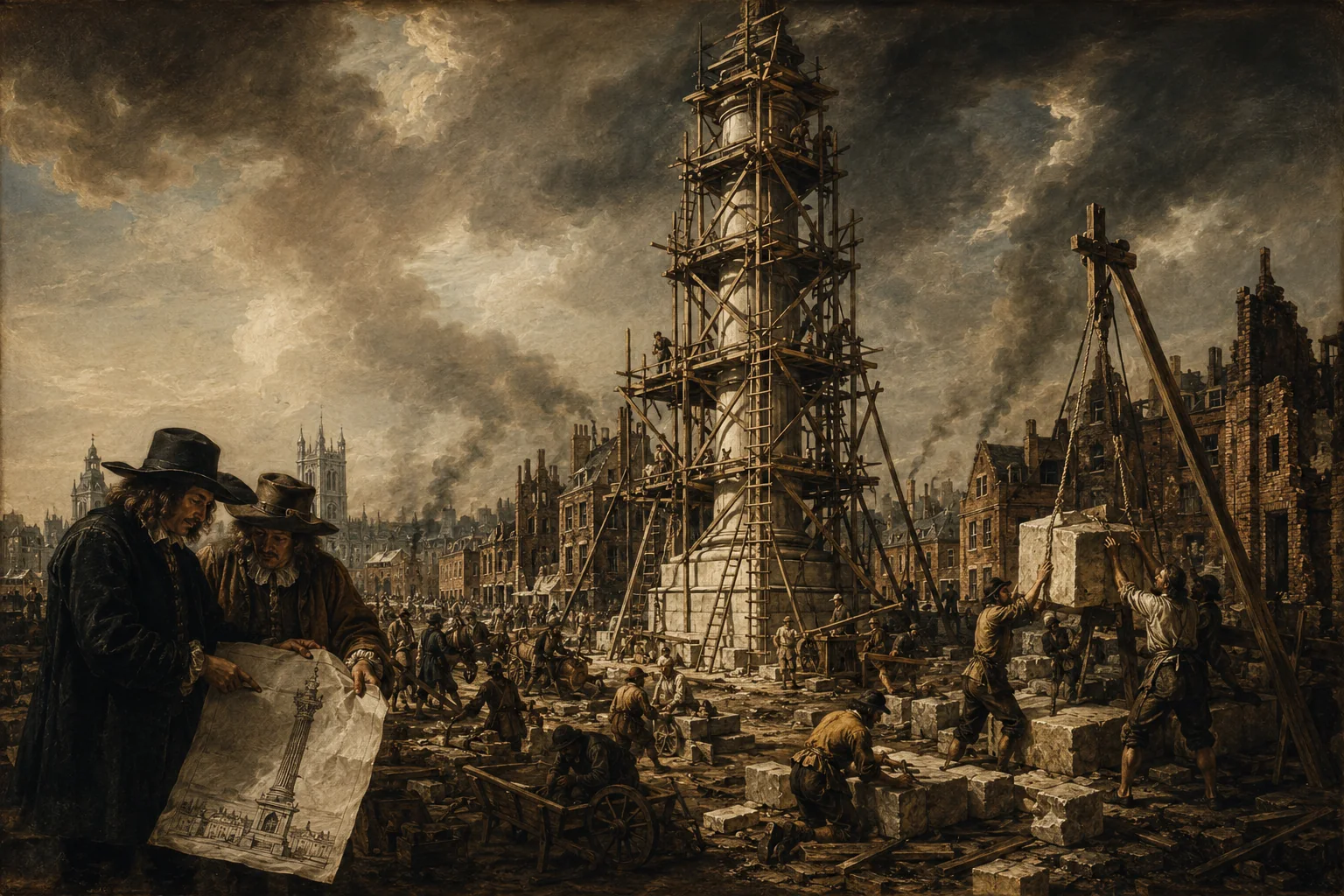
Chapter Six12 min read
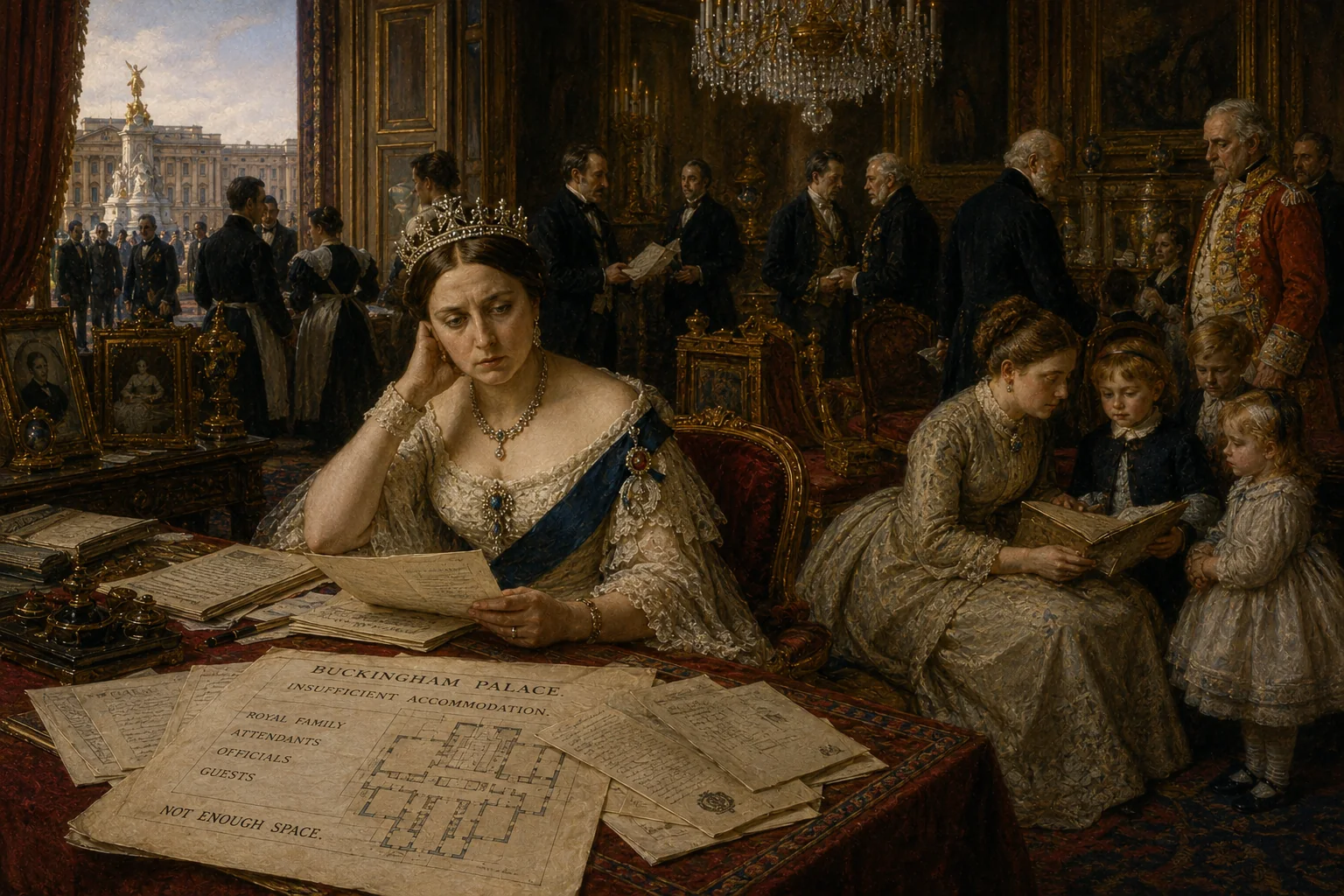
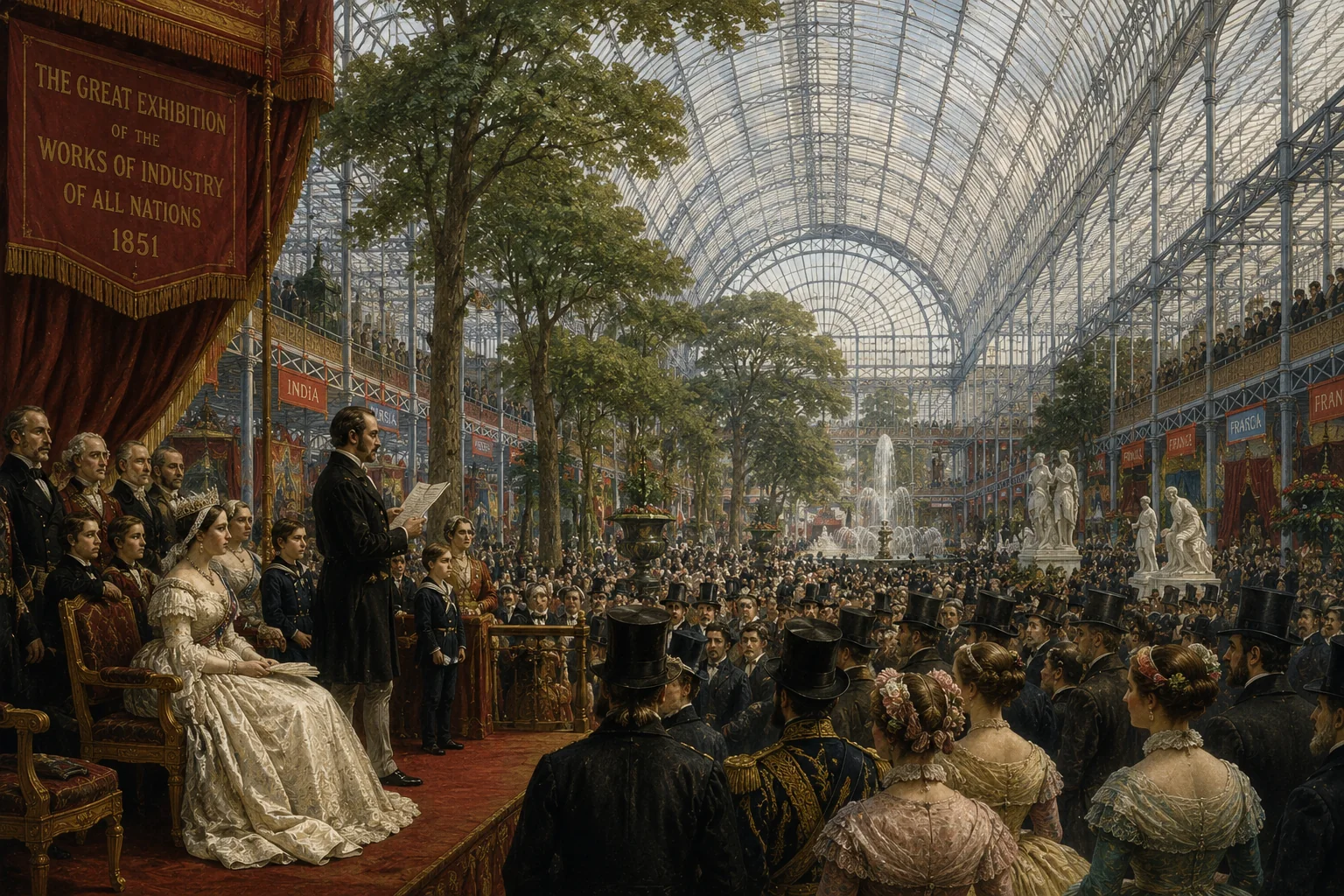
South Kensington
The Palace That Vanished and the District It Paid For
Read chapter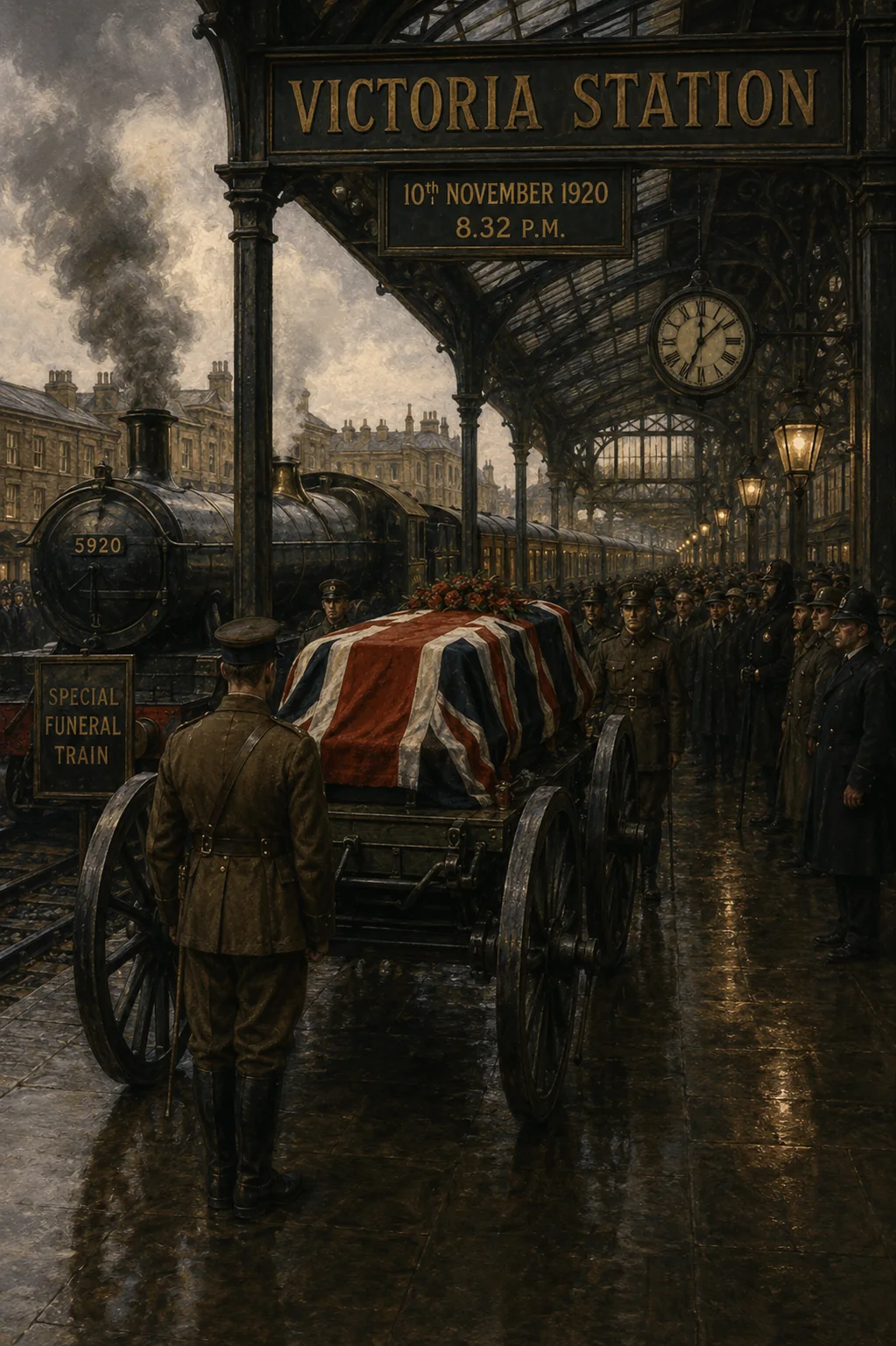
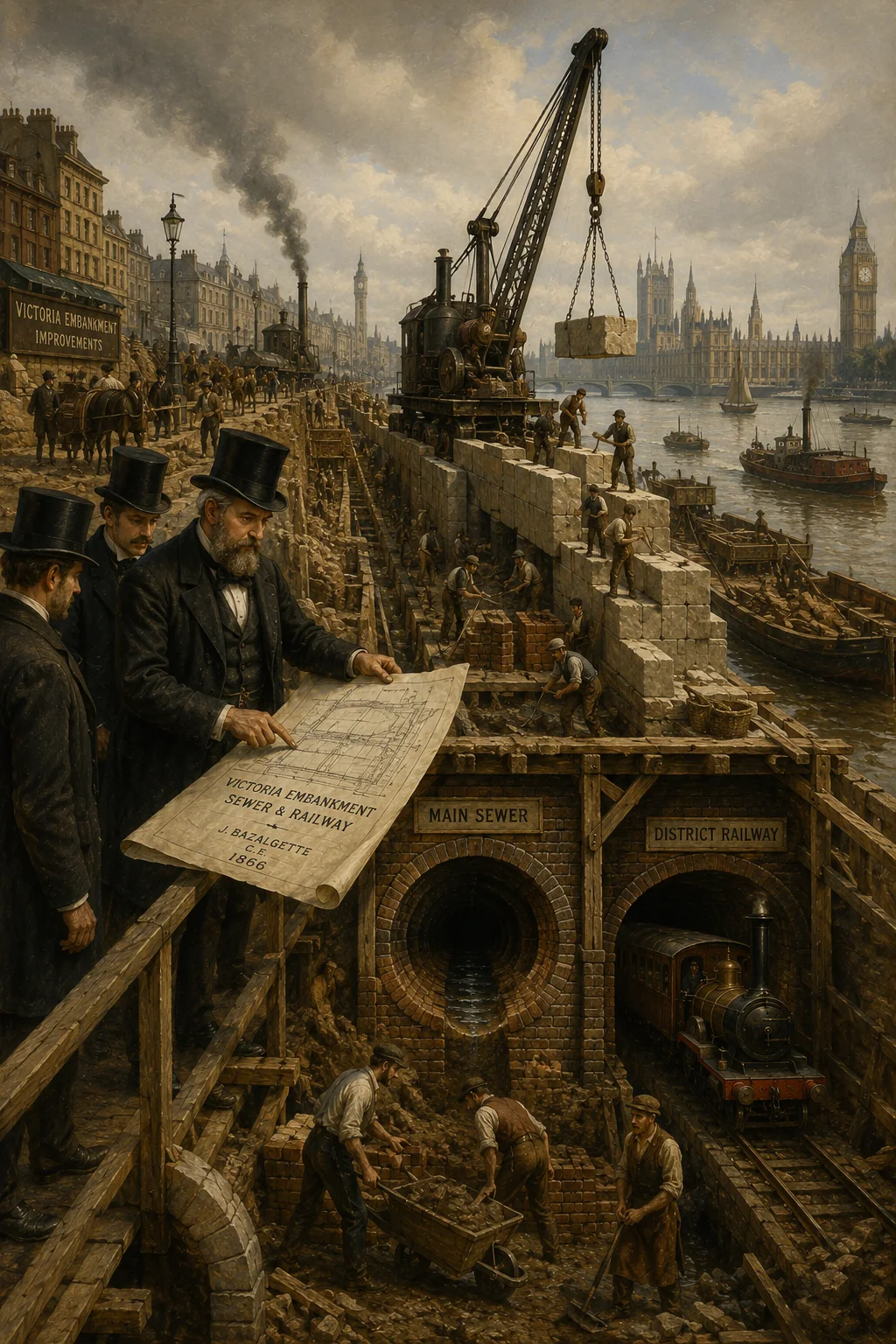
Chapter Twelve13 min read
Covent Garden
The Garden, the Murder and the Man in White Gloves
Read chapter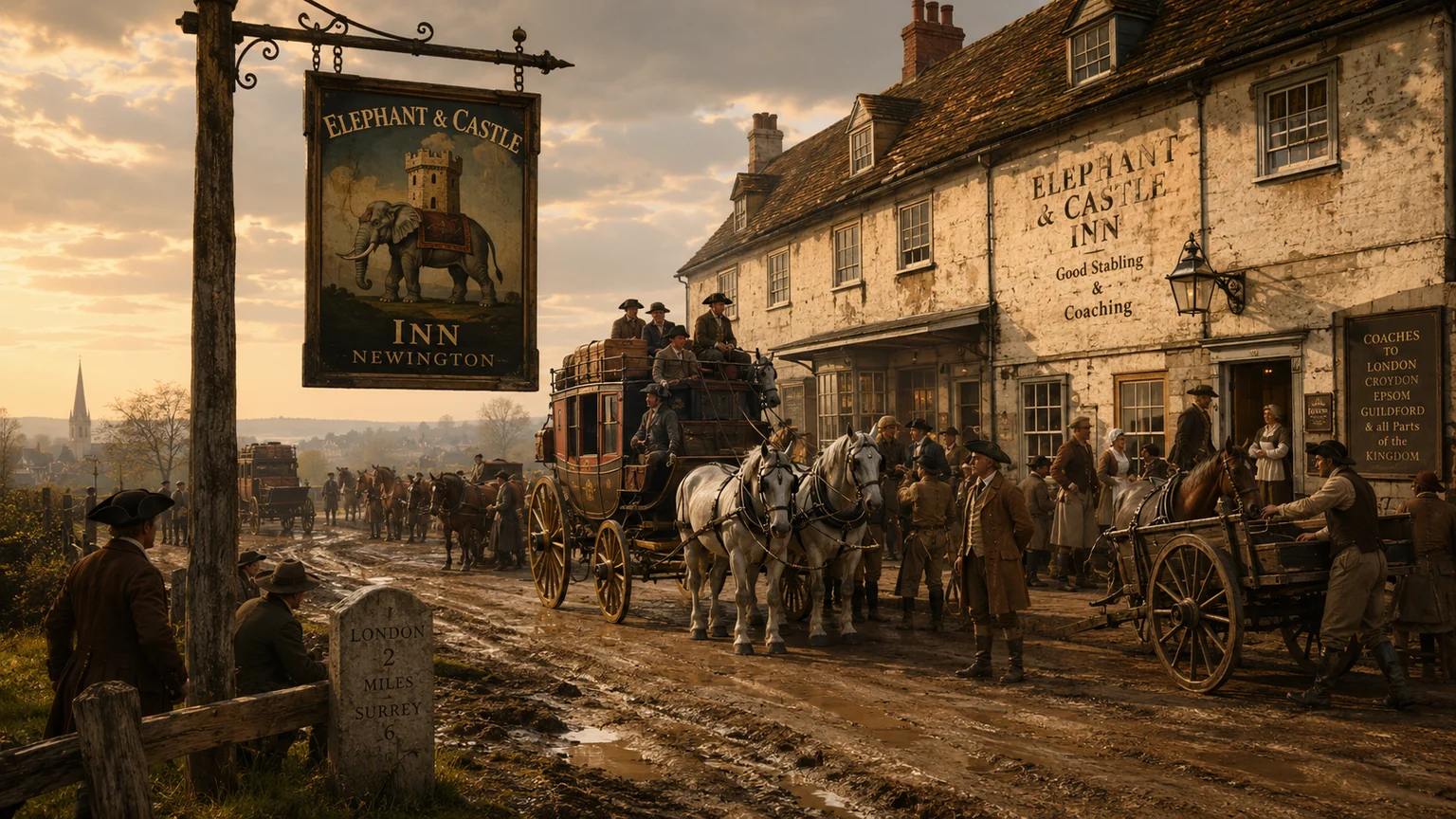
Chapter Thirteen9 min read
Elephant & Castle
The Sign No One Can Explain and the Crossroads That Kept It
Read chapter
Chapter Fifteen9 min read
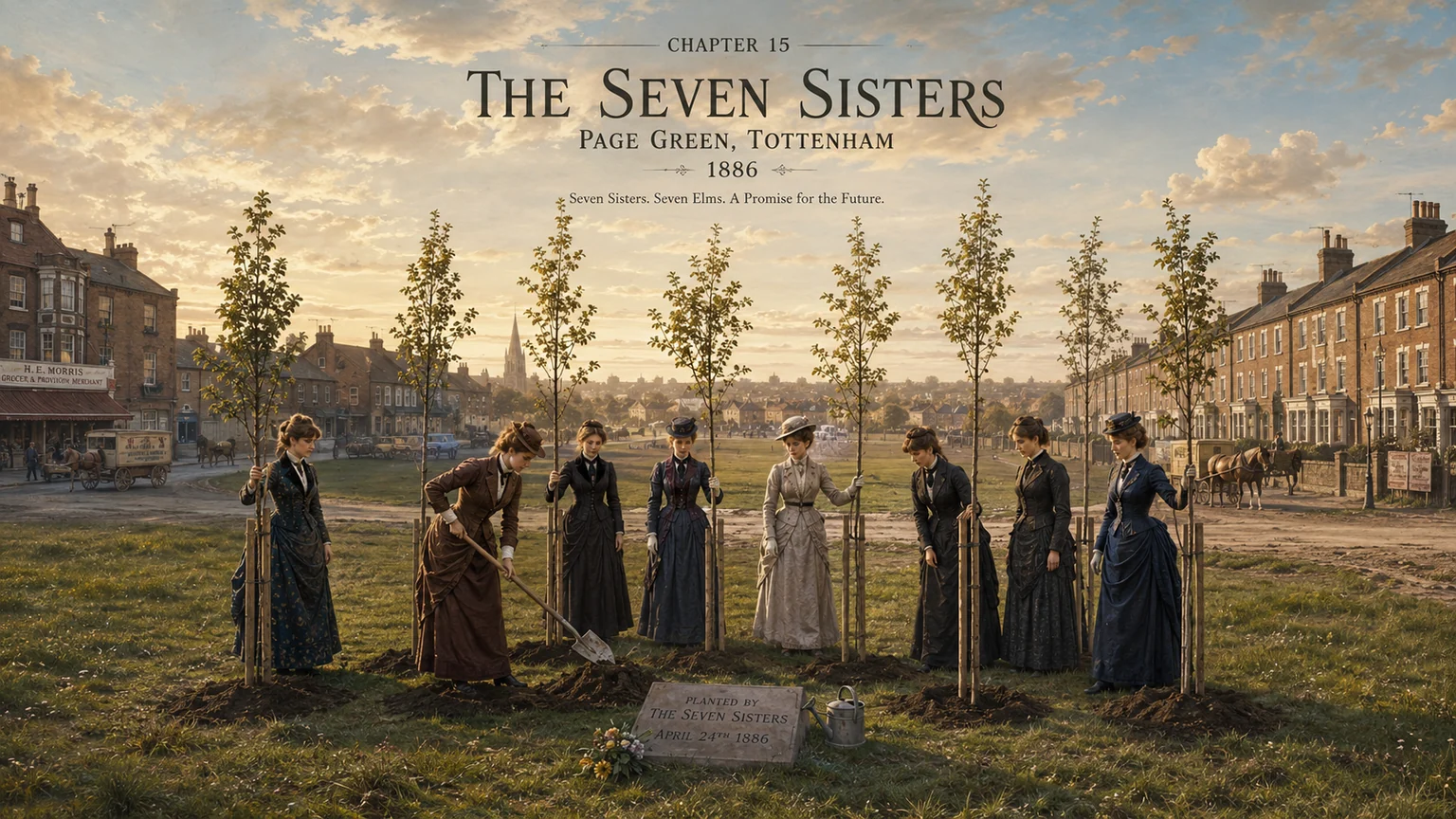
Seven Sisters
The Trees That Died and the Name That Replanted Them
Read chapter
Chapter Sixteen10 min read
King’s Cross St Pancras
The King Who Lasted Nine Years and the Saint Who Lasted Seventeen Centuries
Read chapter
Chapter Seventeen9 min read
Maida Vale
The Battle That Became a Vale and the Women Who Opened Its Station
Read chapter
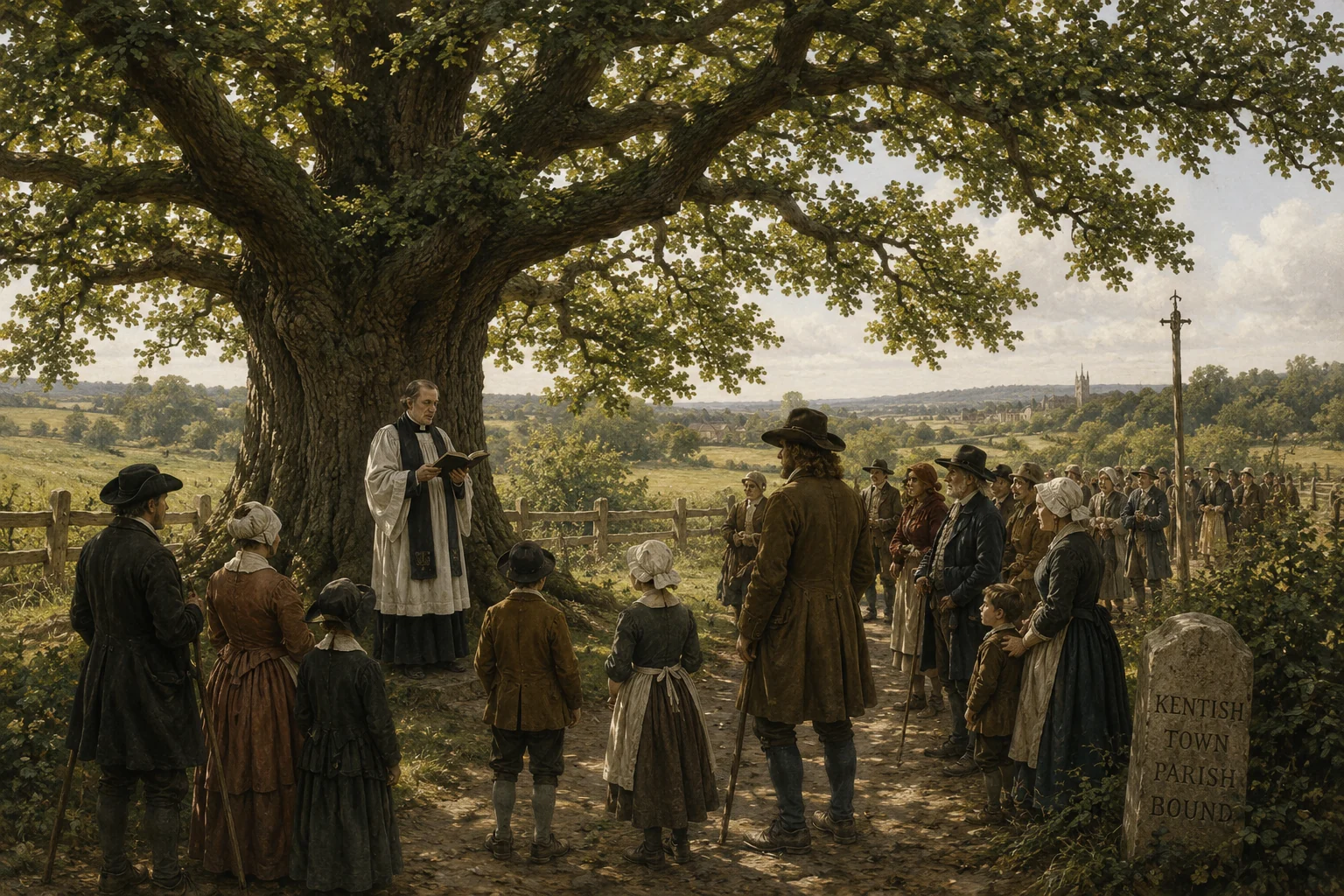
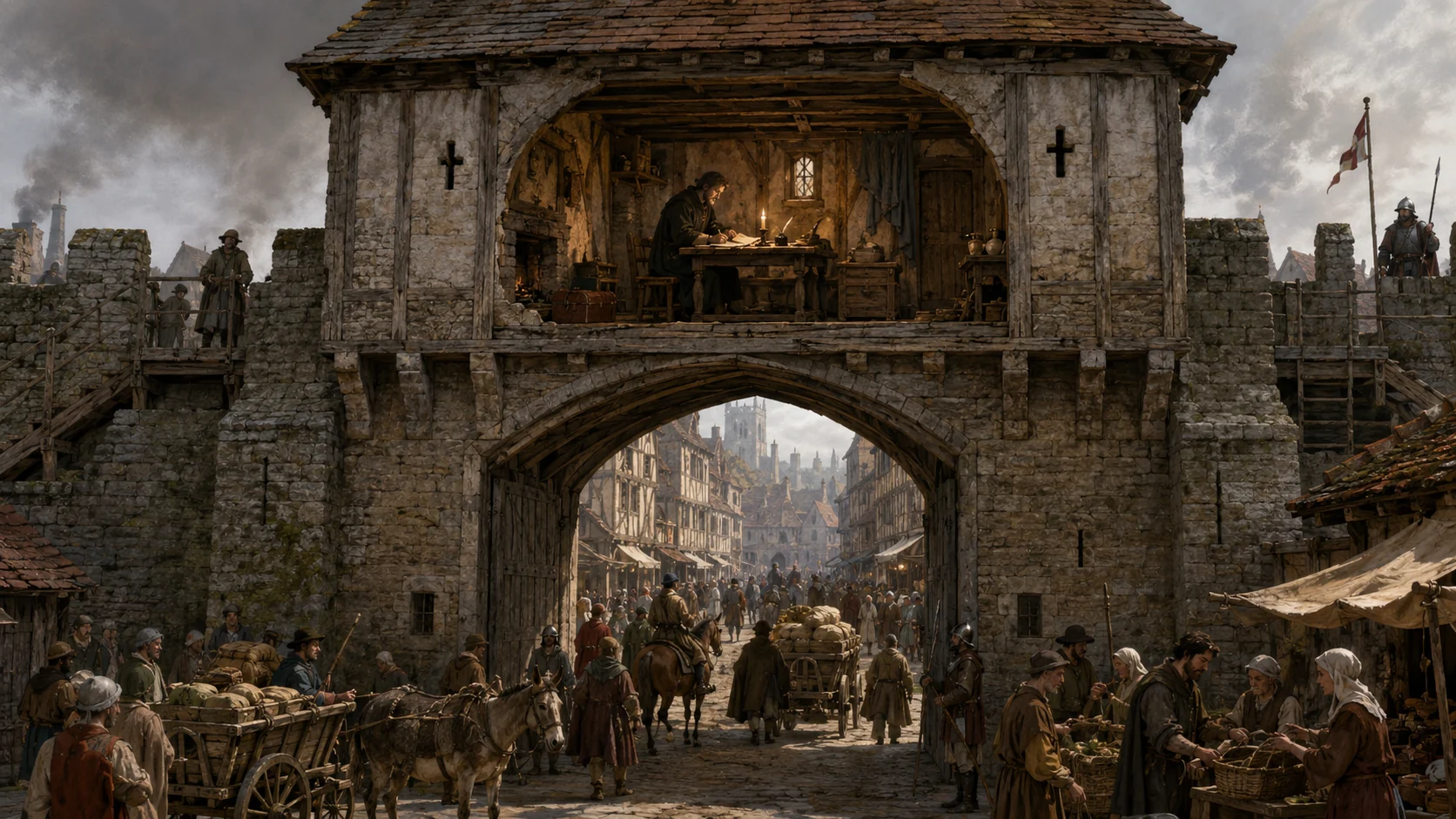

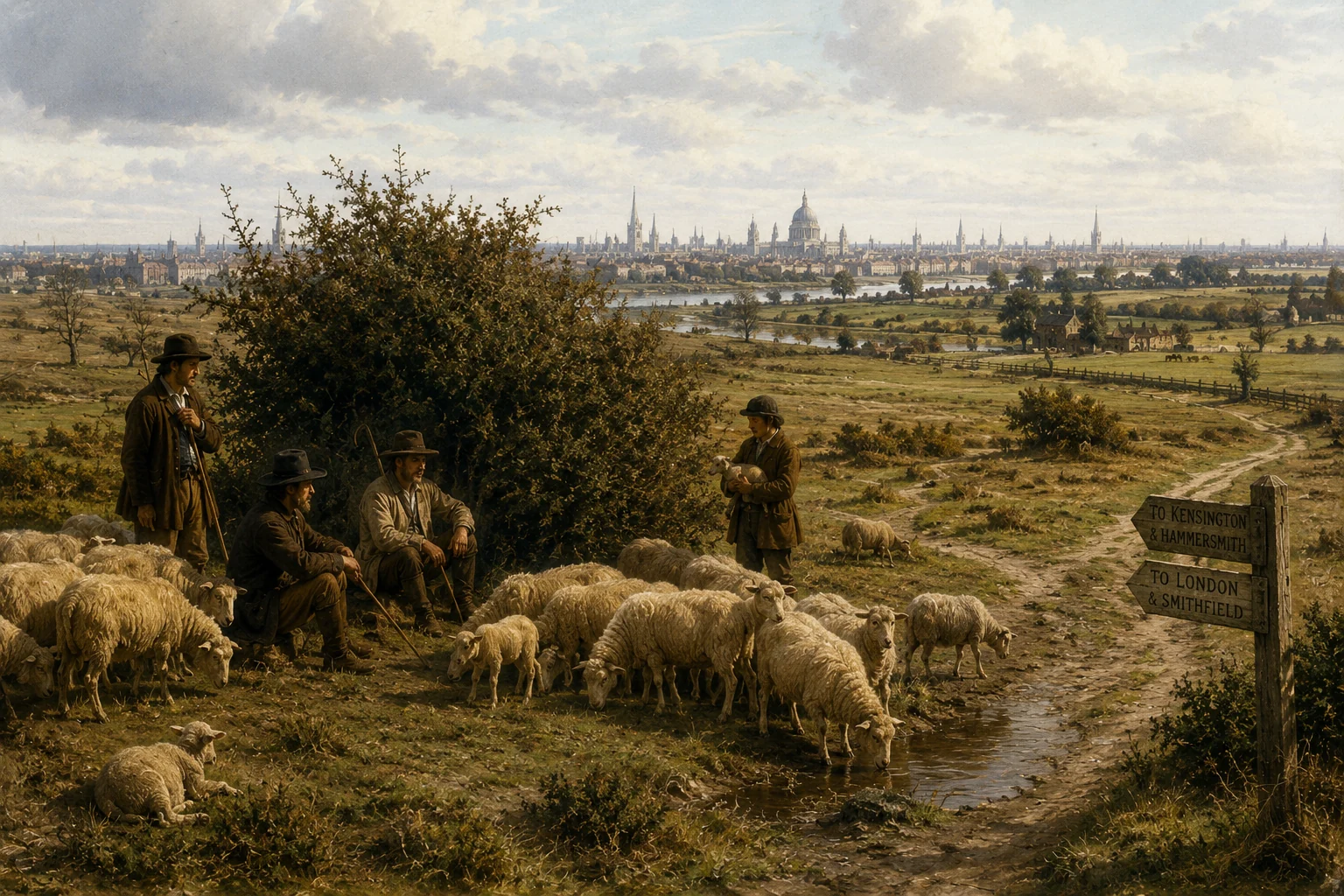
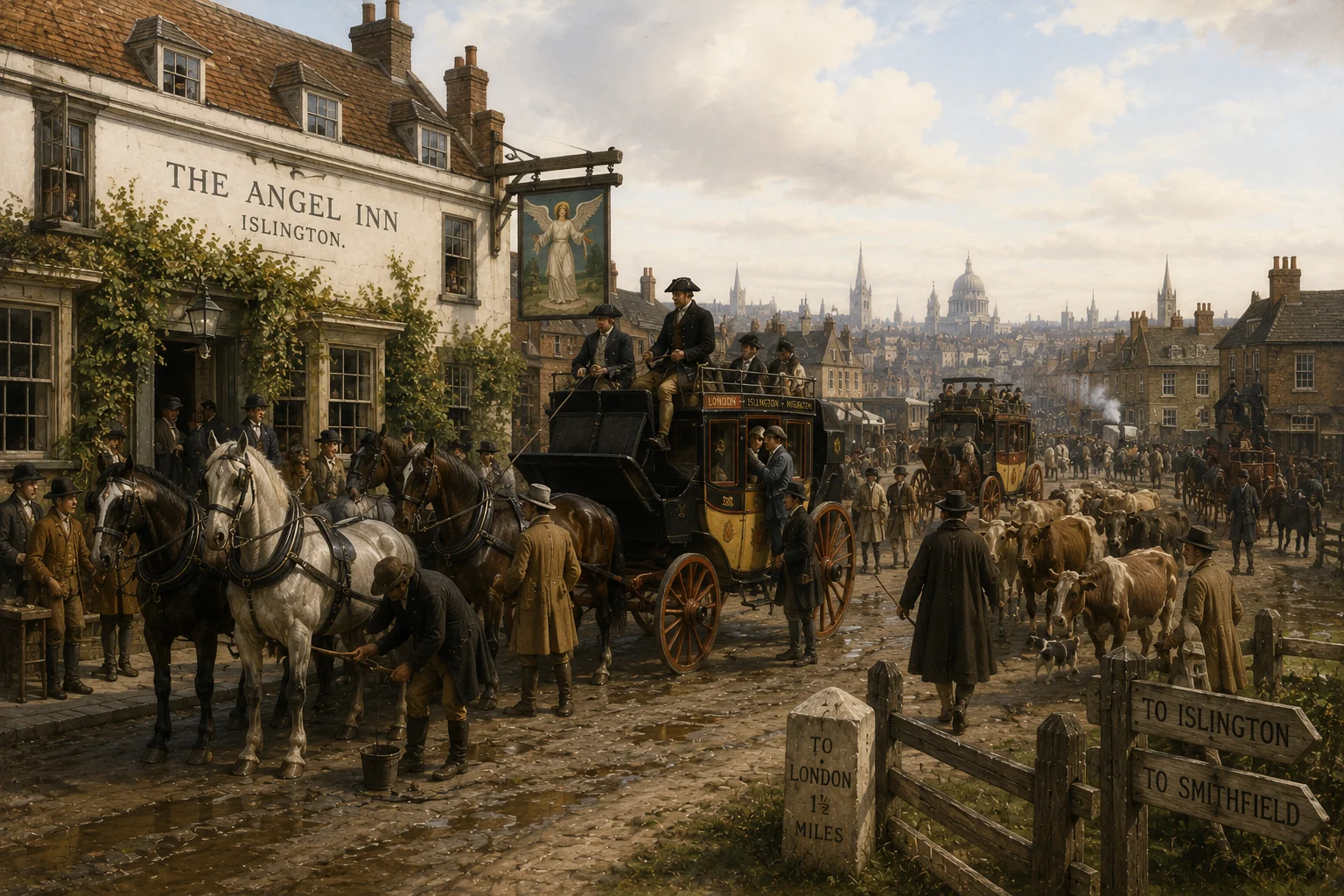
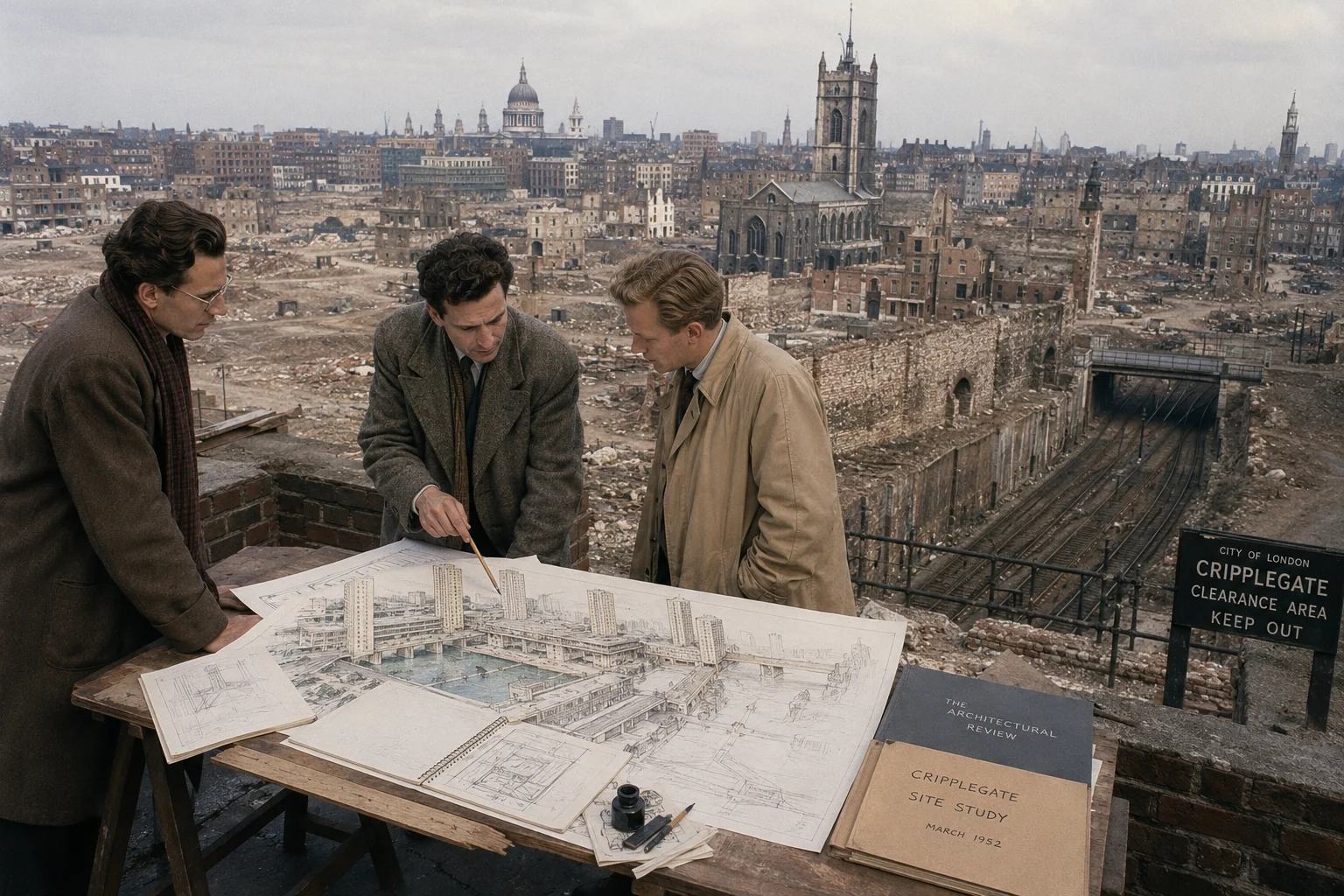

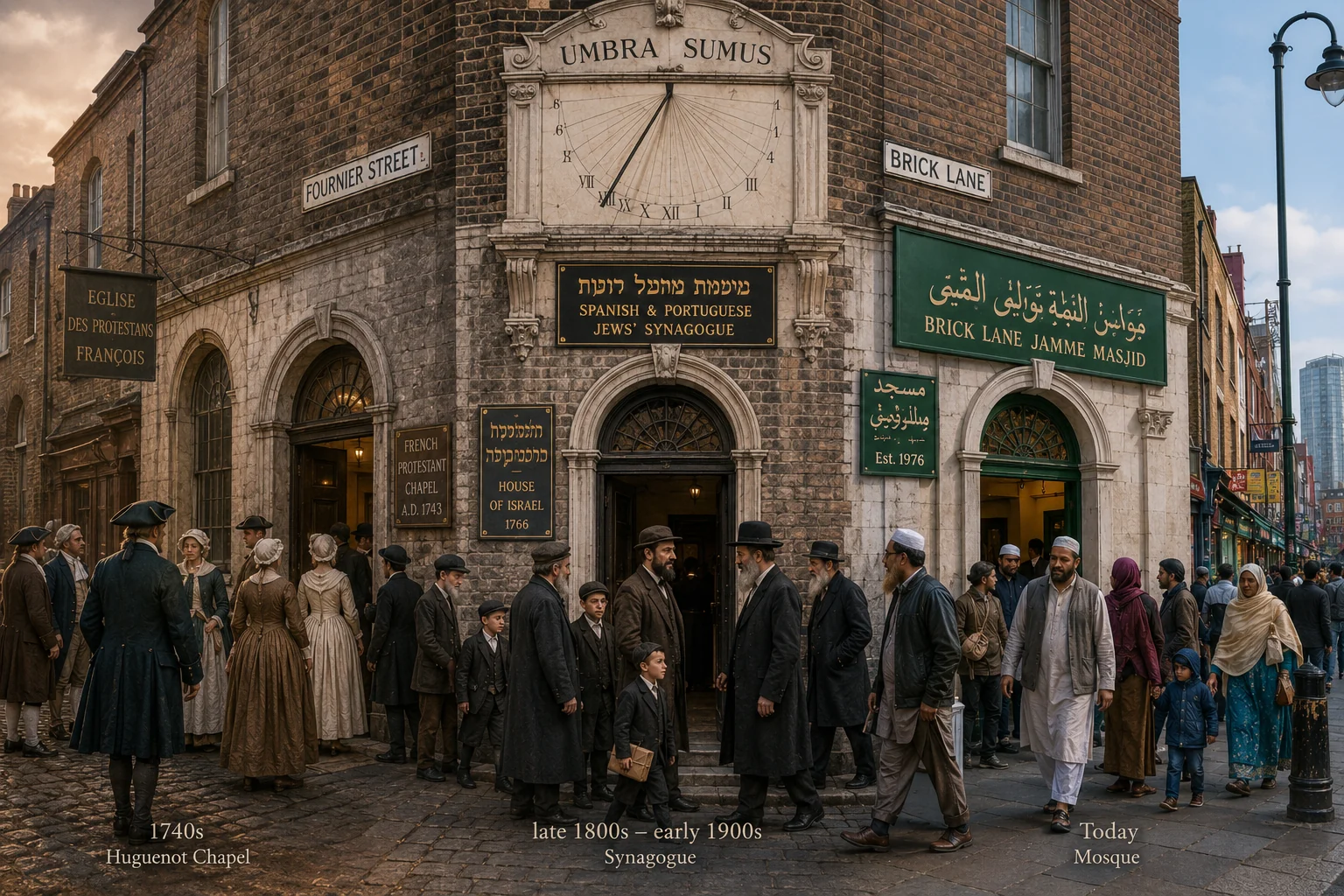
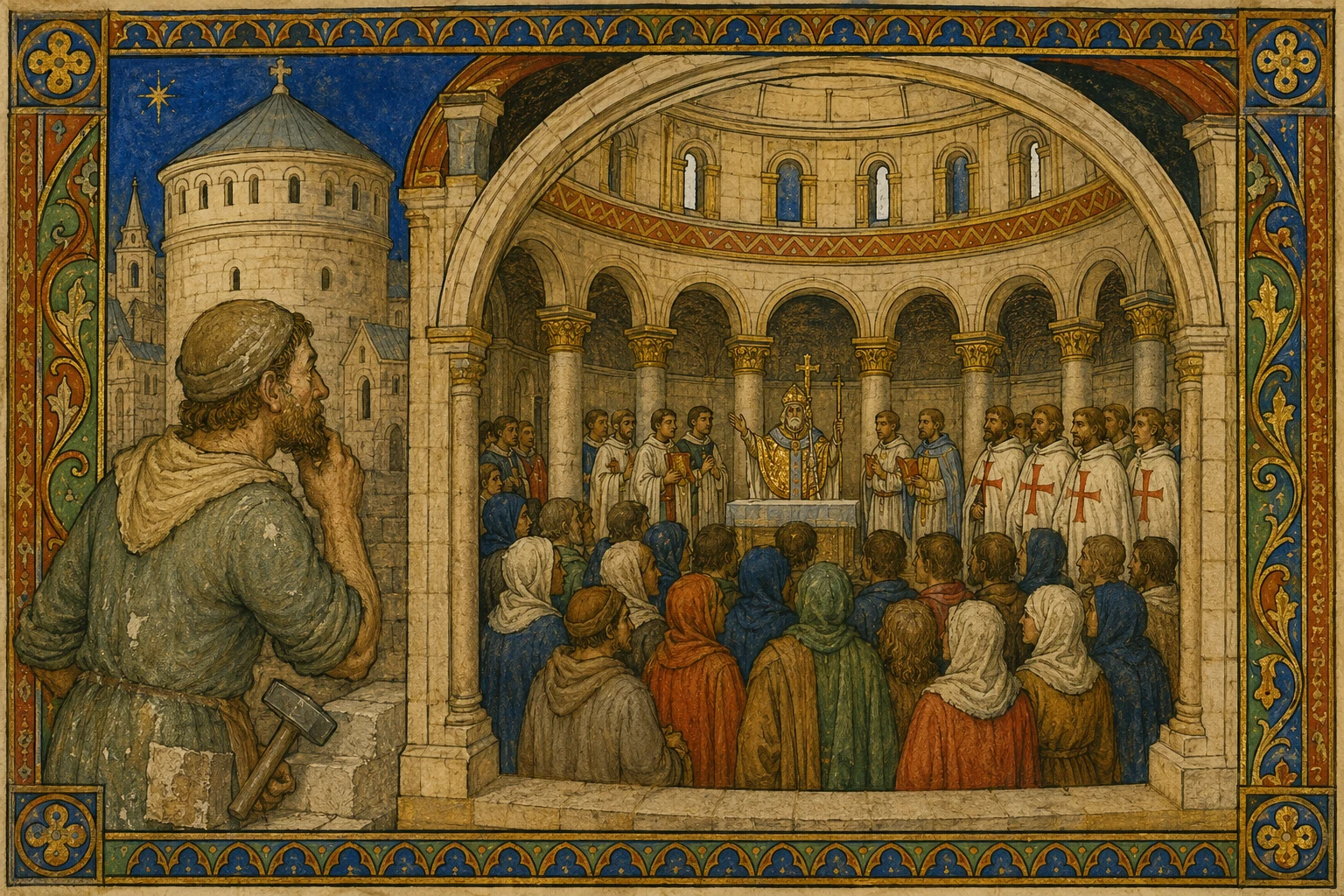
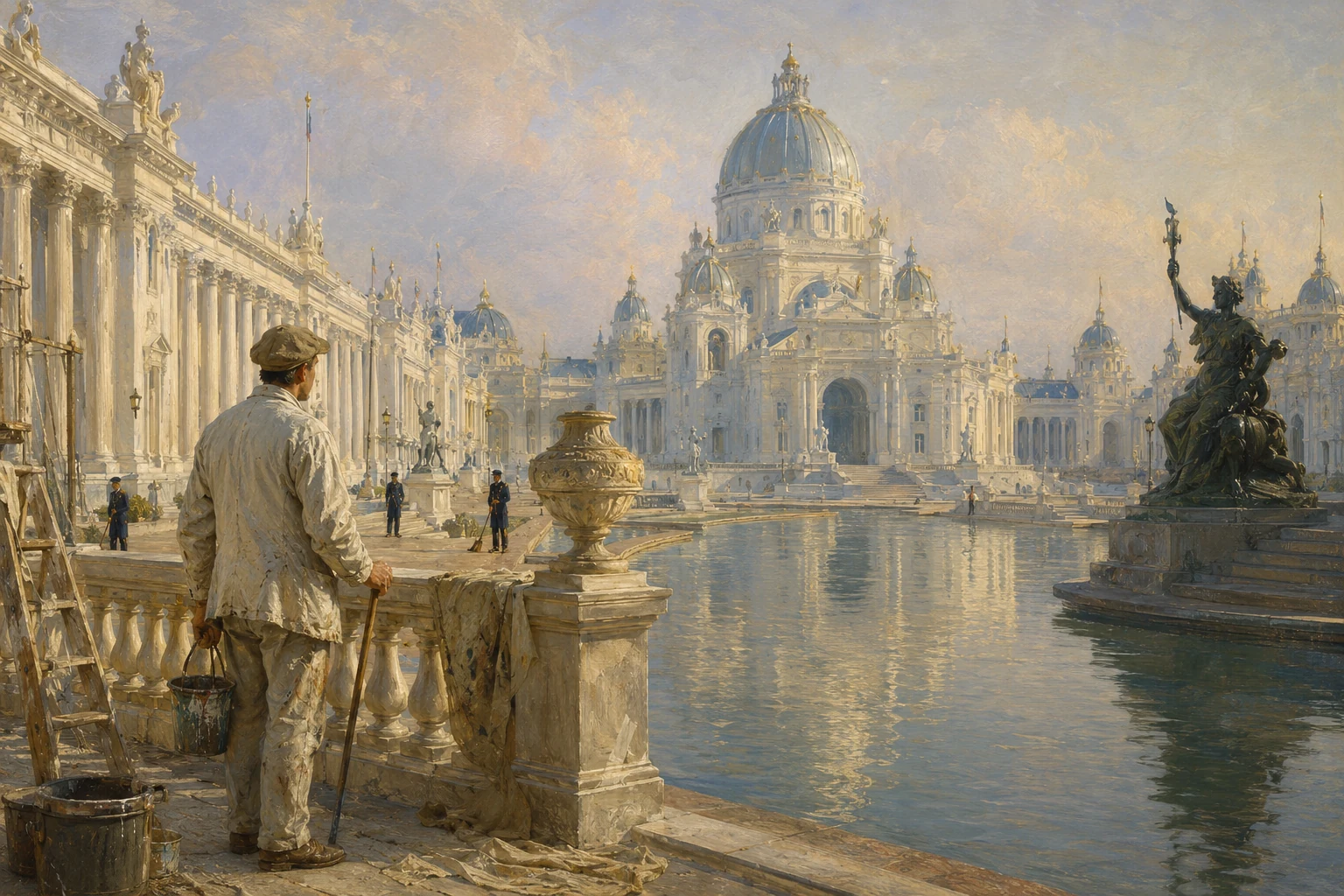



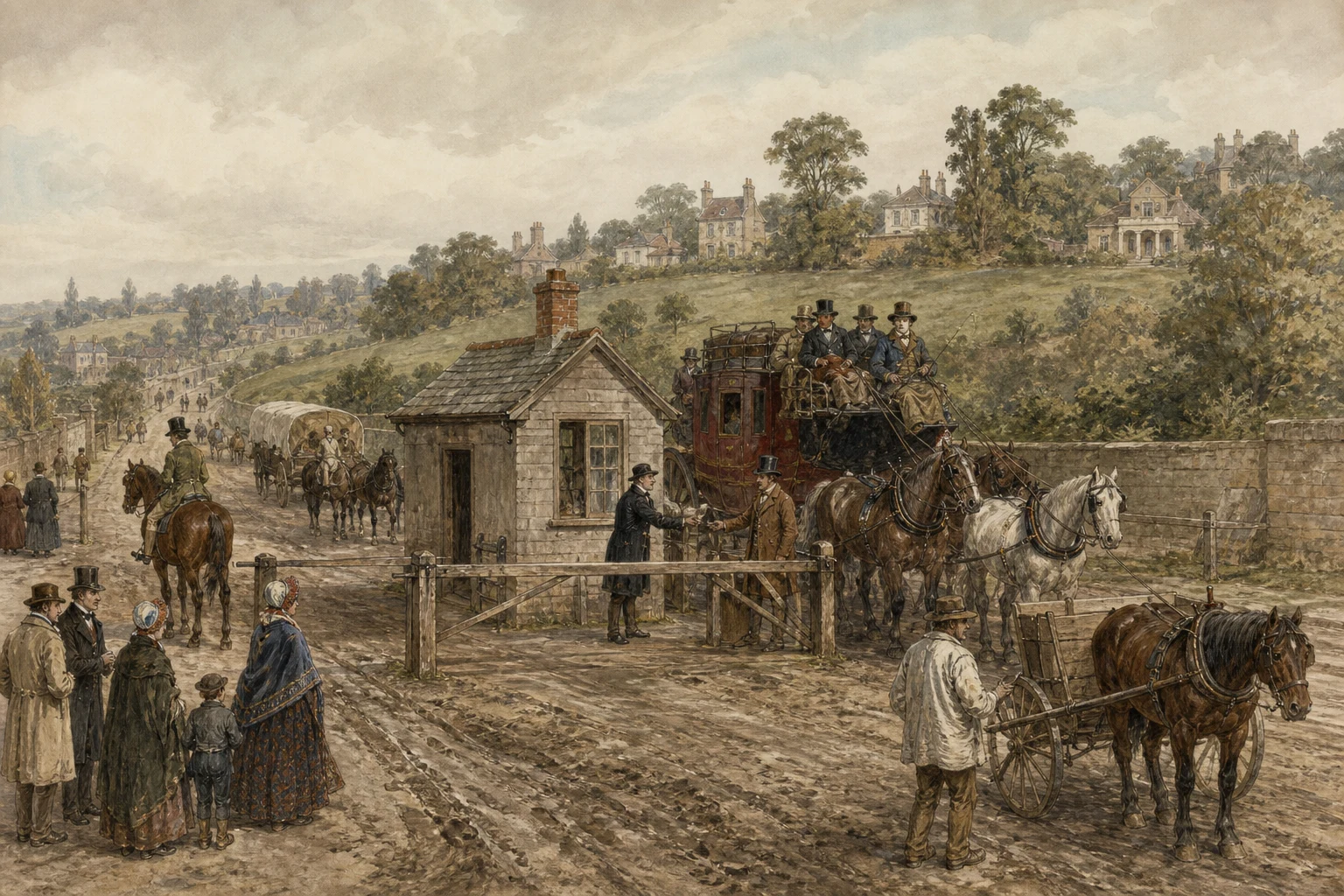
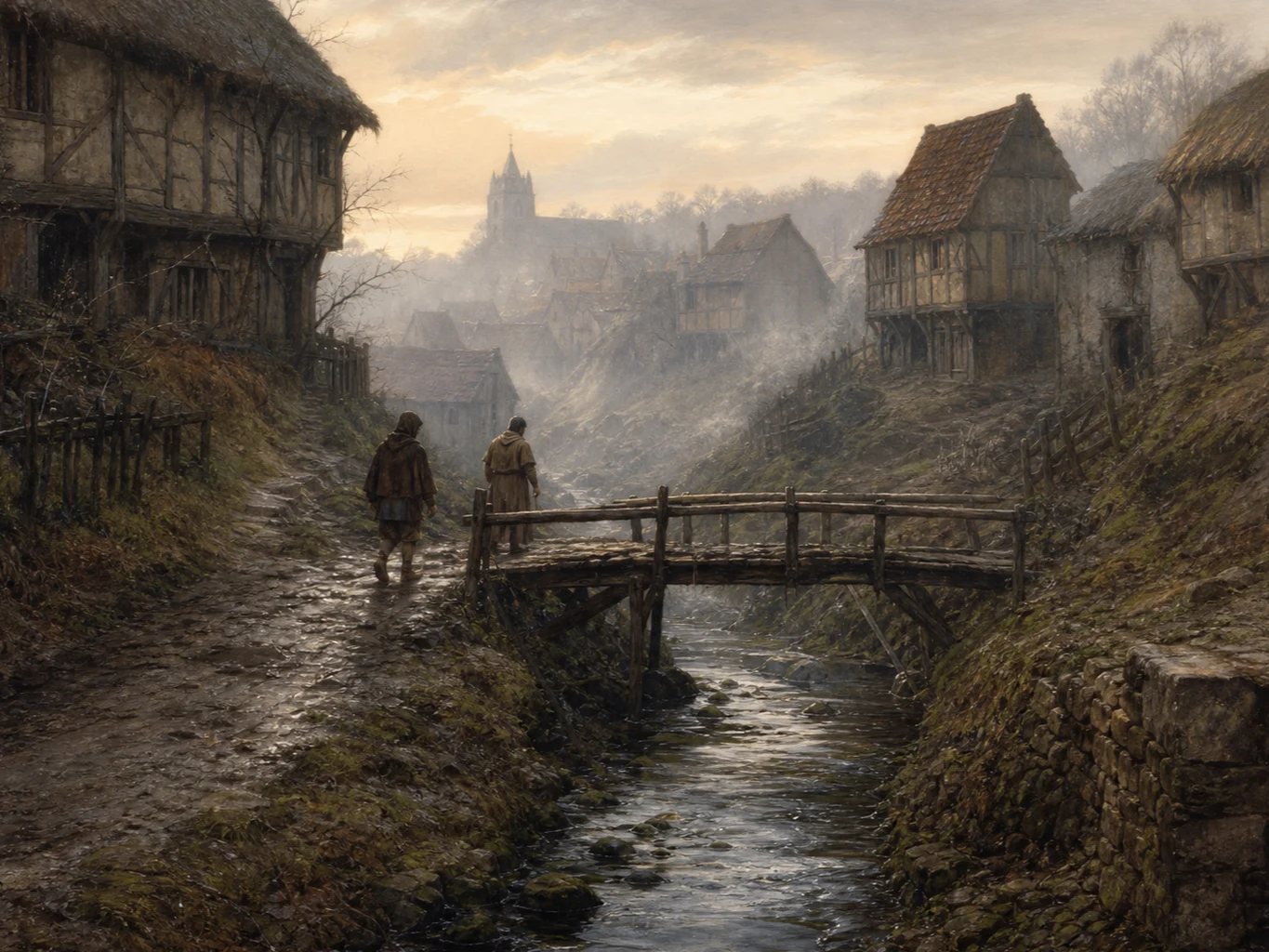
Chapter Forty-Eight9 min read
Holborn
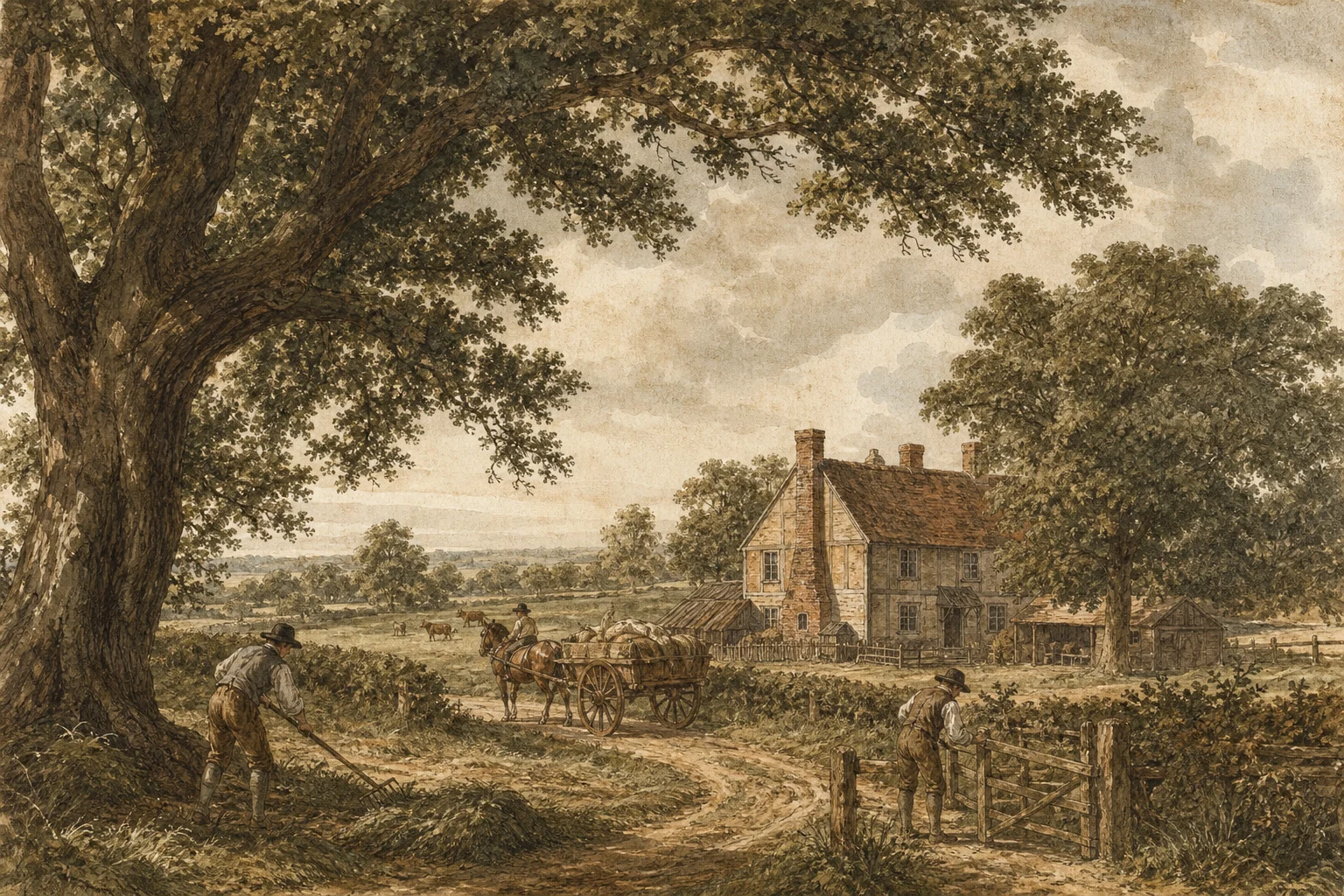
The stream, the hollow and the argument beneath the street
Read chapter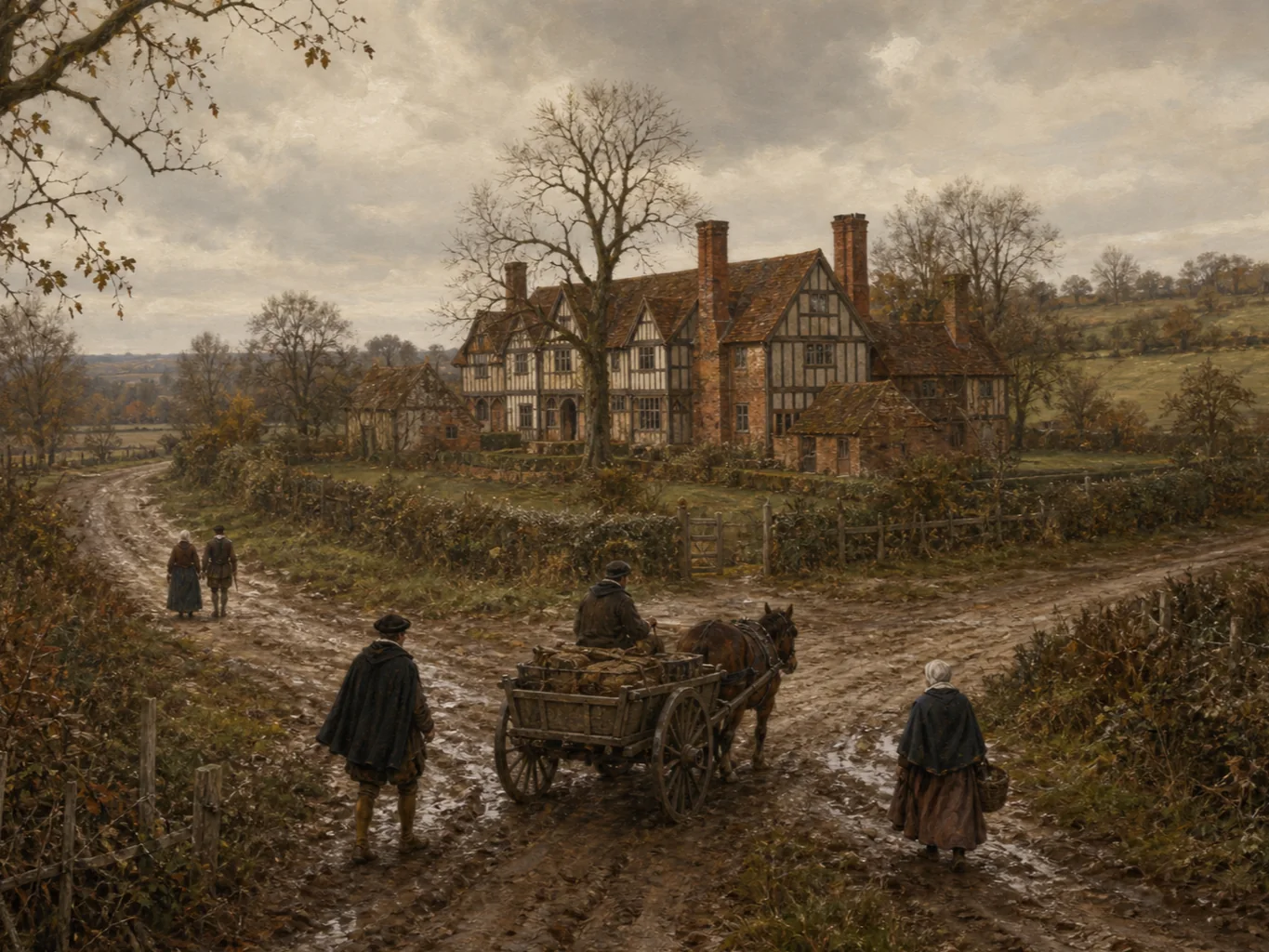
Chapter Forty-Nine9 min read
Tottenham Court Road
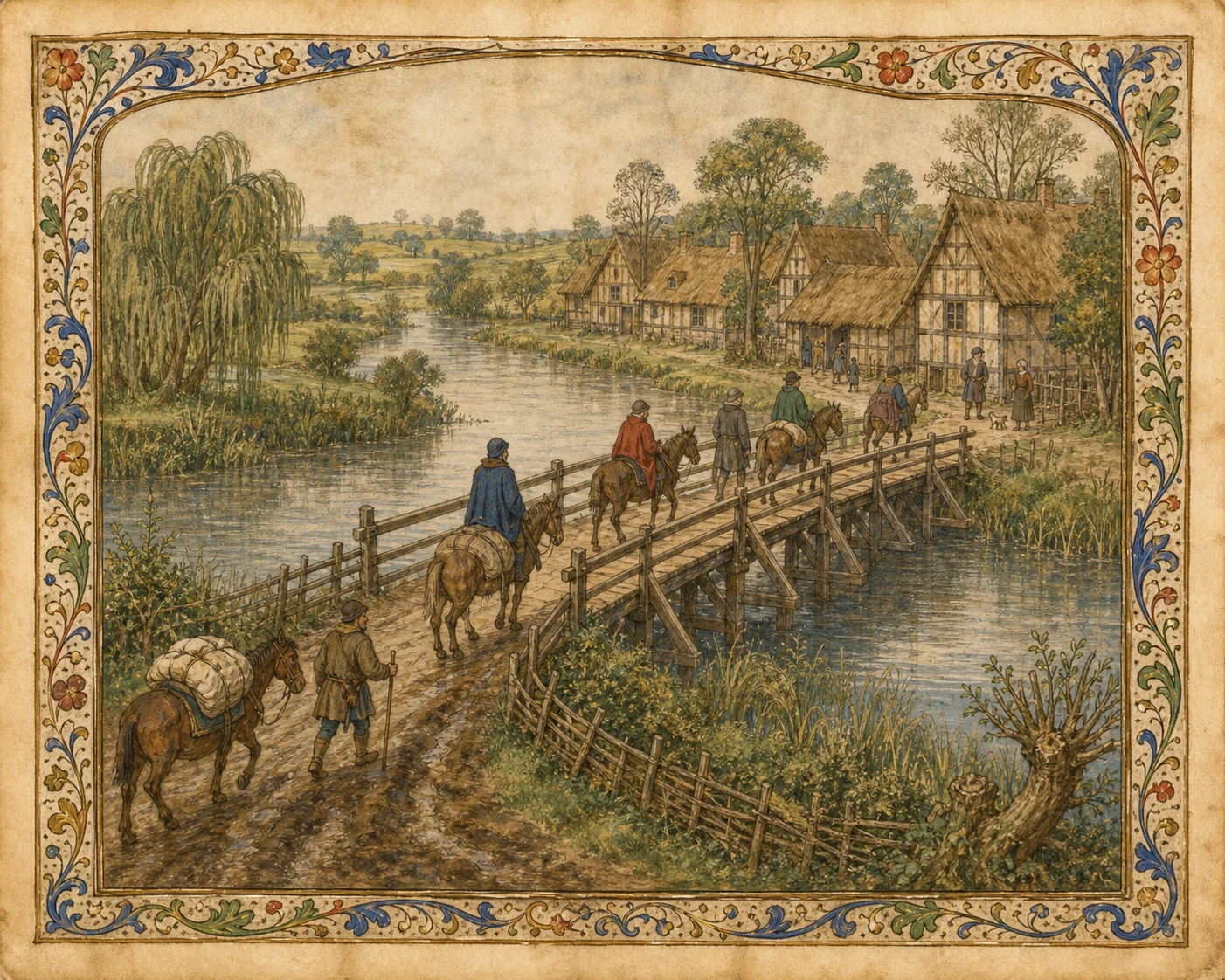
The manor, the road and the station name
Read chapter
Chapter Fifty11 min read
Earl’s Court
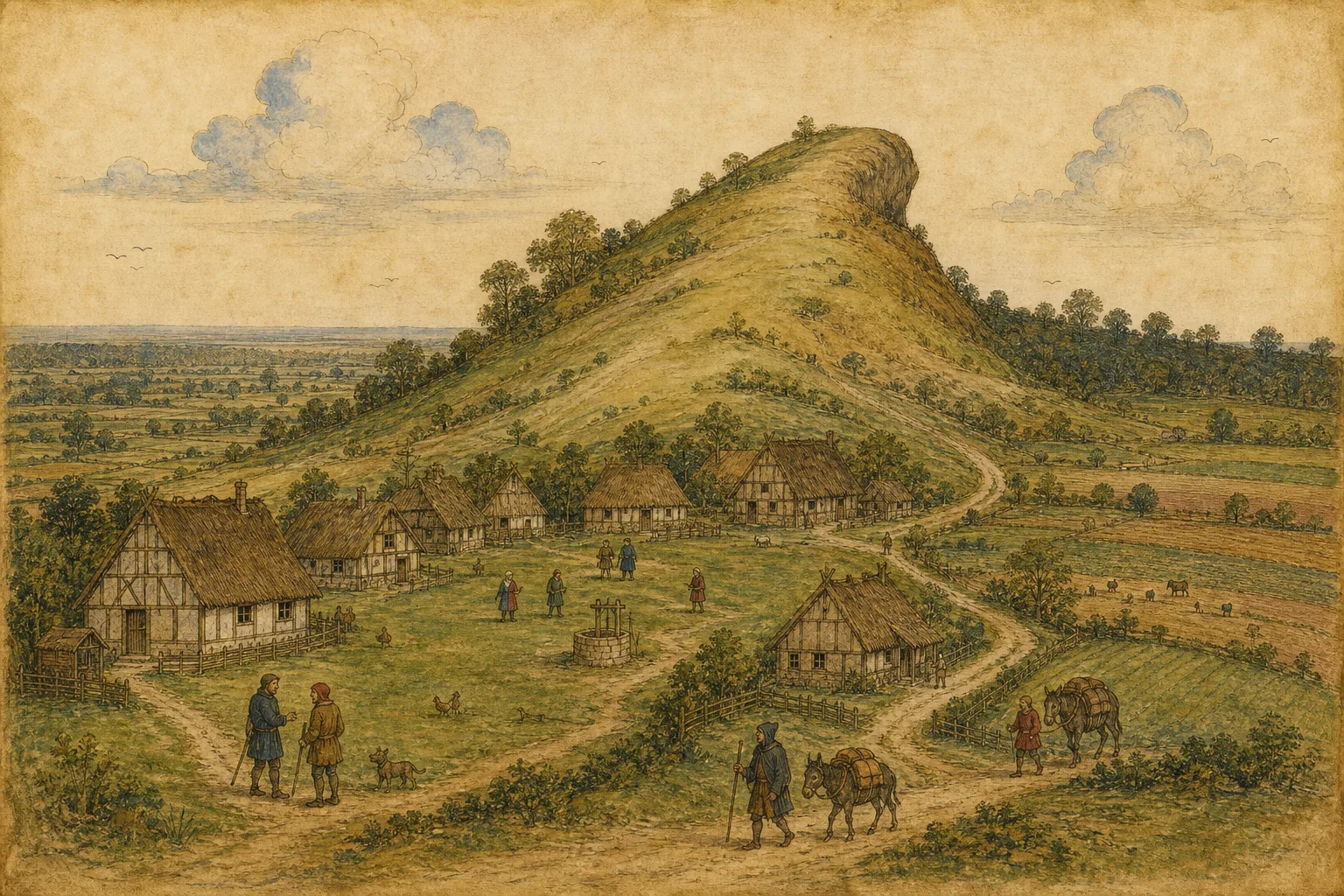
The earl is uncertain. The court is gone. The station still announces both.
Read chapter
Chapter Fifty-One12 min read
Bond Street
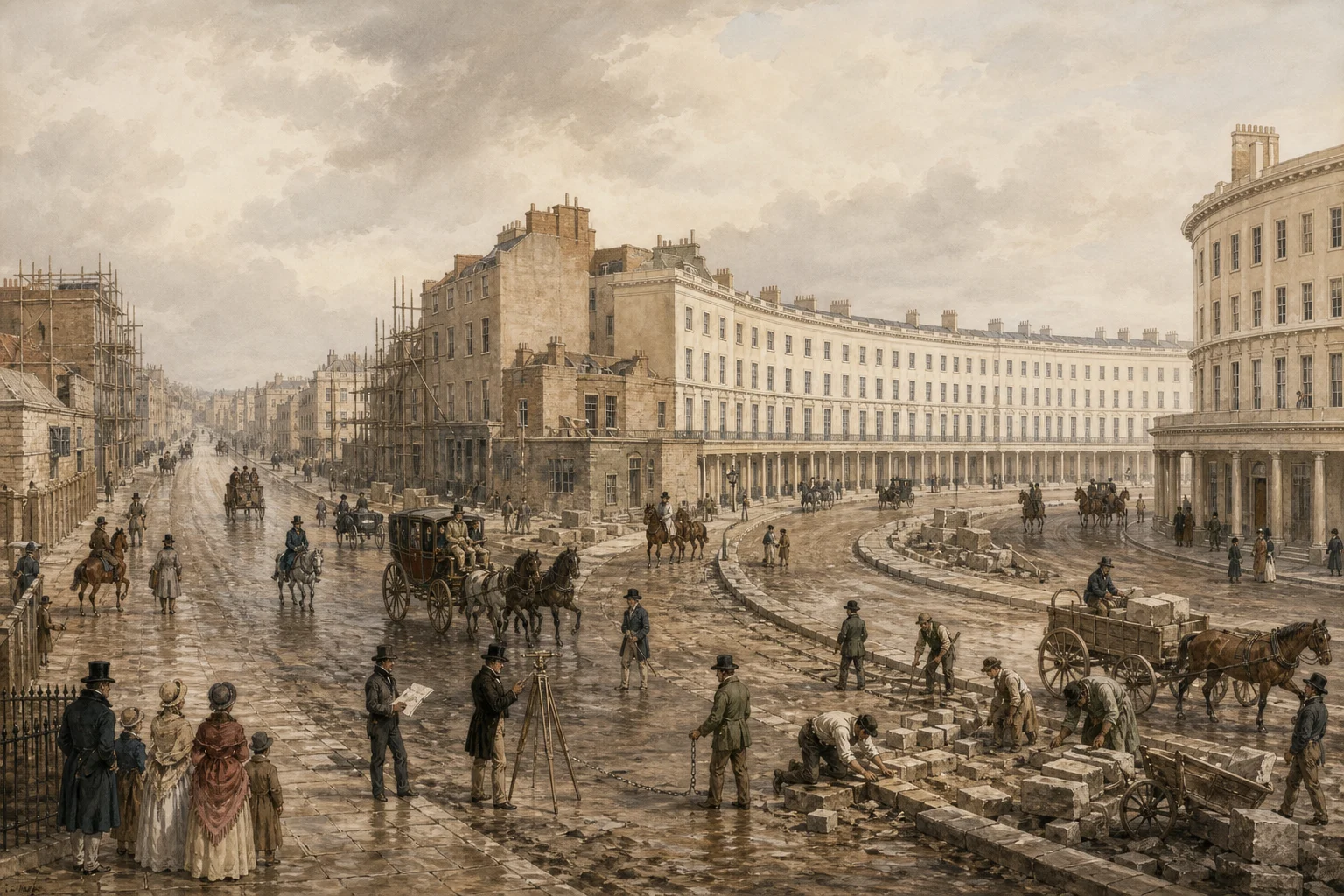
A private developer’s name became London shorthand for fashion, shops and a station beneath Oxford Street.
Read chapter
Chapter Fifty-Two11 min read
St John’s Wood
A medieval Order’s wooded land became a planned suburb, then a Jubilee line name beneath north-west London.
Read chapter
Chapter Fifty-Three11 min read
Greenwich
An Old English harbour name carries the Thames, trade and a gravel-ground mystery into the modern DLR station.
Read chapter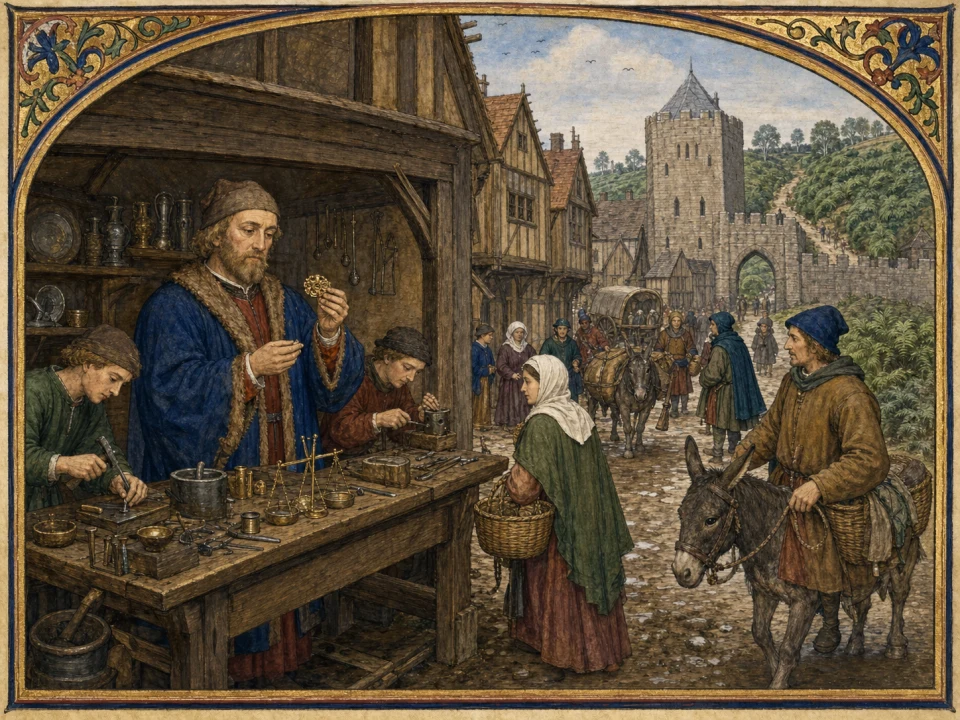
Chapter Fifty-Four13 min read
Farringdon
A medieval goldsmith’s name passed into a City ward, a street and the world’s first underground railway.
Read chapter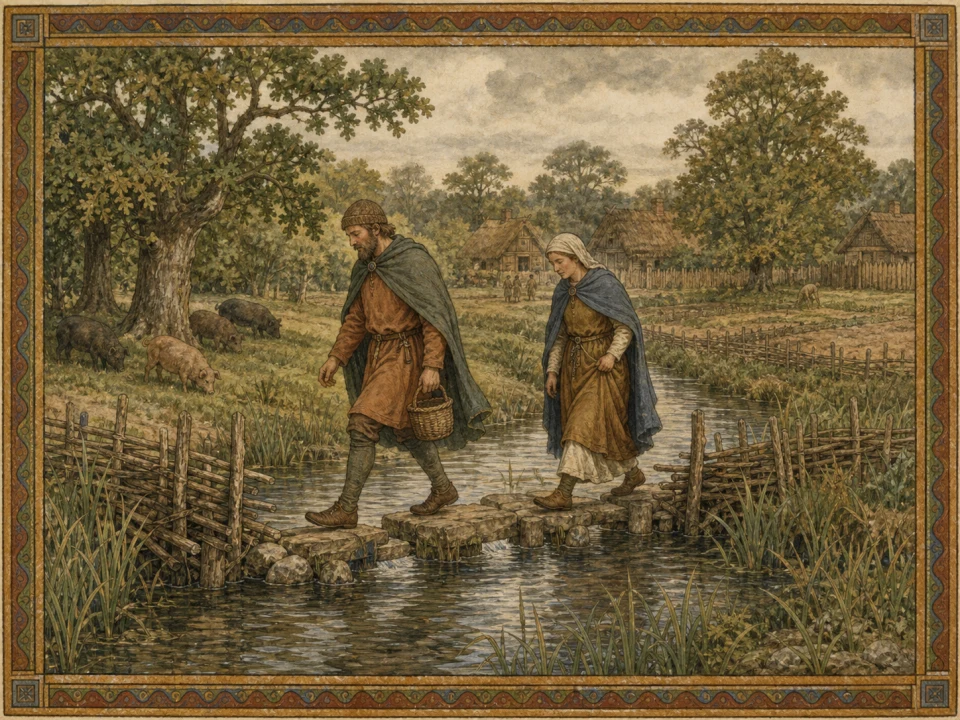
Chapter Fifty-Five15 min read
Ruislip
A rushy crossing on the River Pinn became a manor, a village and a Metroland station name.
Read chapter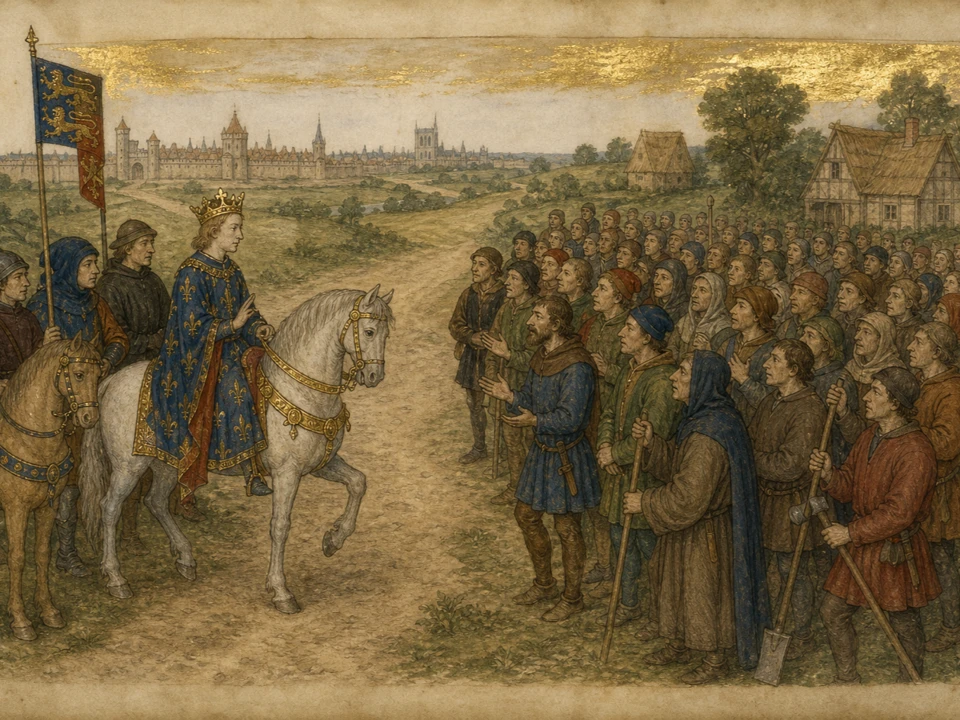
Chapter Fifty-Six15 min read
Mile End
A measured mile from Aldgate became a green for gatherings, an East End district and an interchange.
Read chapter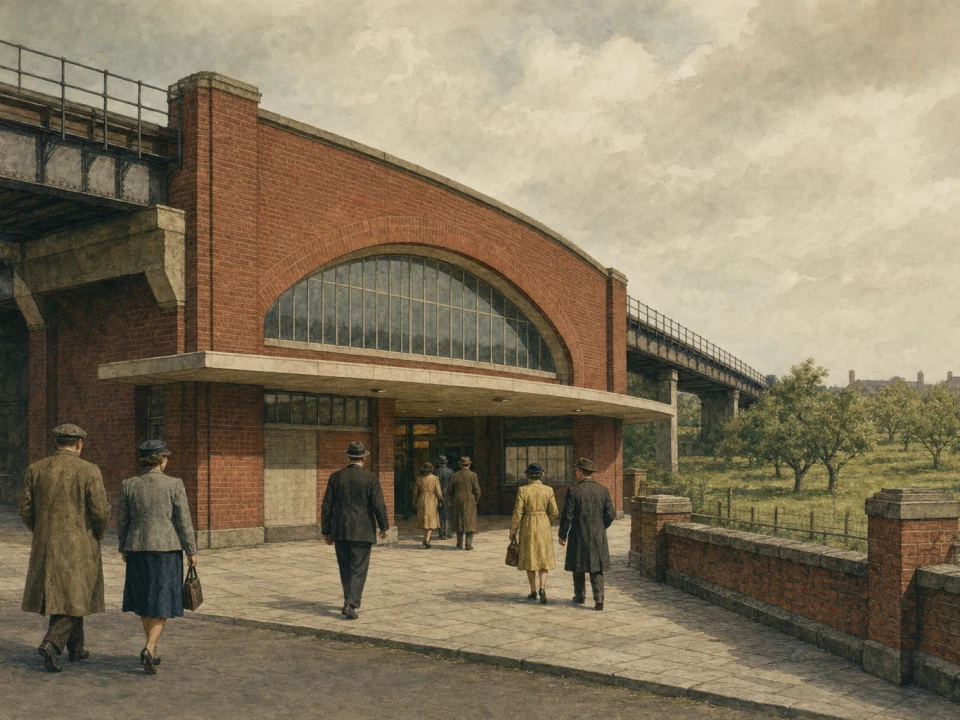
Chapter Fifty-Seven15 min read
Perivale
A probable pear-tree vale became a tiny parish, a canal-side suburb and a post-war Central line station.
Read chapter
Chapter Fifty-Eight15 min read
Canada Water
Canadian cargo named a working dock; surviving water carried the name into a modern interchange.
Read chapter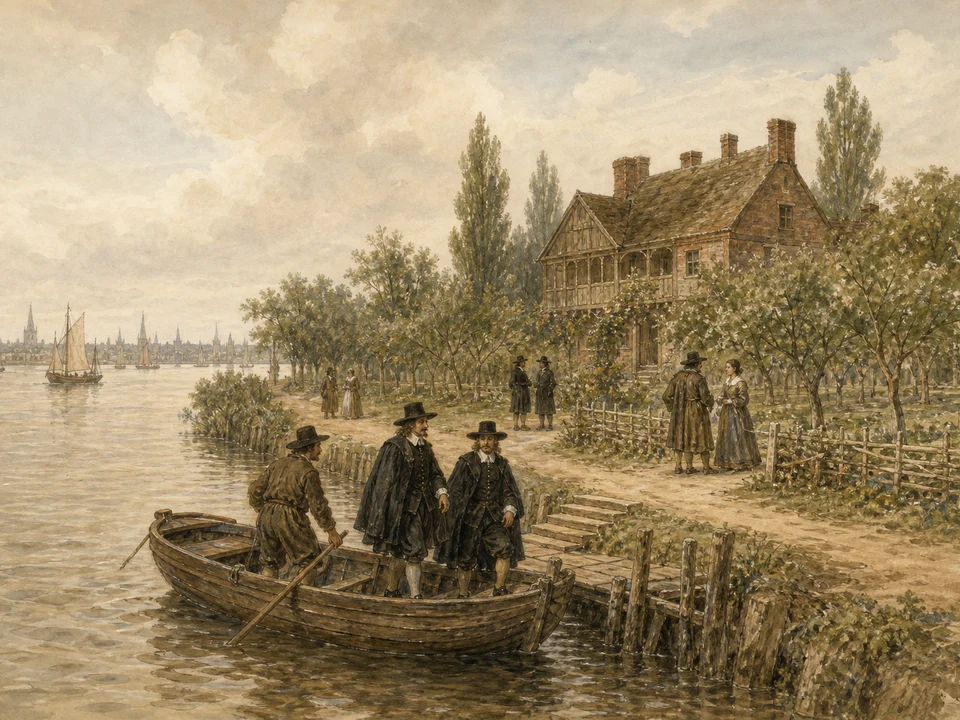
Chapter Fifty-Nine15 min read
Vauxhall
A medieval man’s hall became Fox Hall, London’s famous gardens and a modern interchange.
Read chapter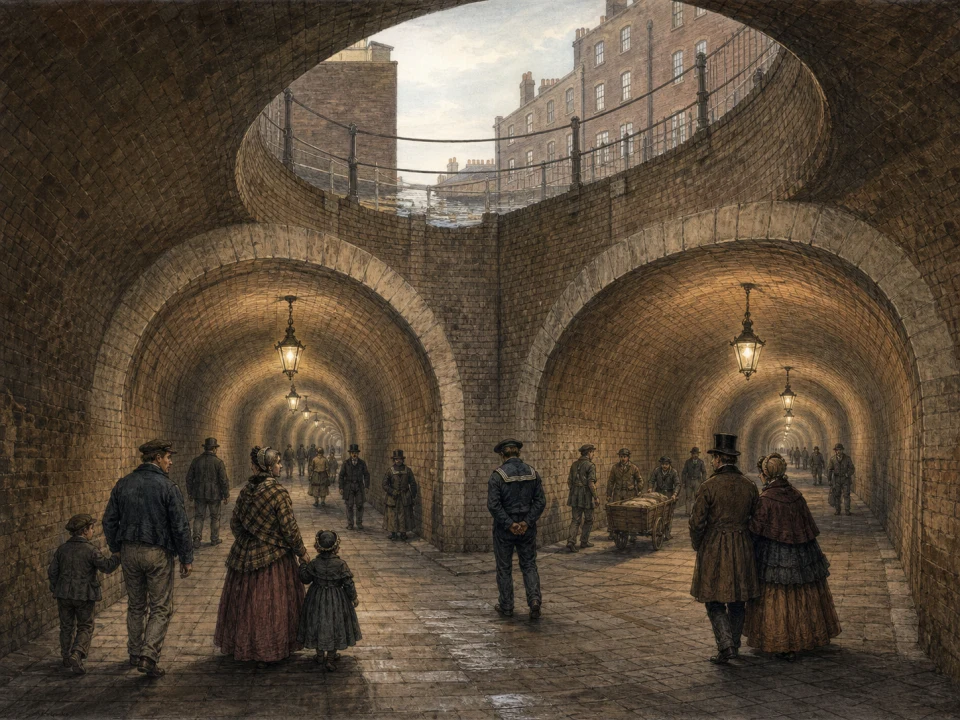
Chapter Sixty14 min read
Wapping
A probable marsh-name descended through a river wall, Brunel’s tunnel and the entrance-shaft station.
Read chapter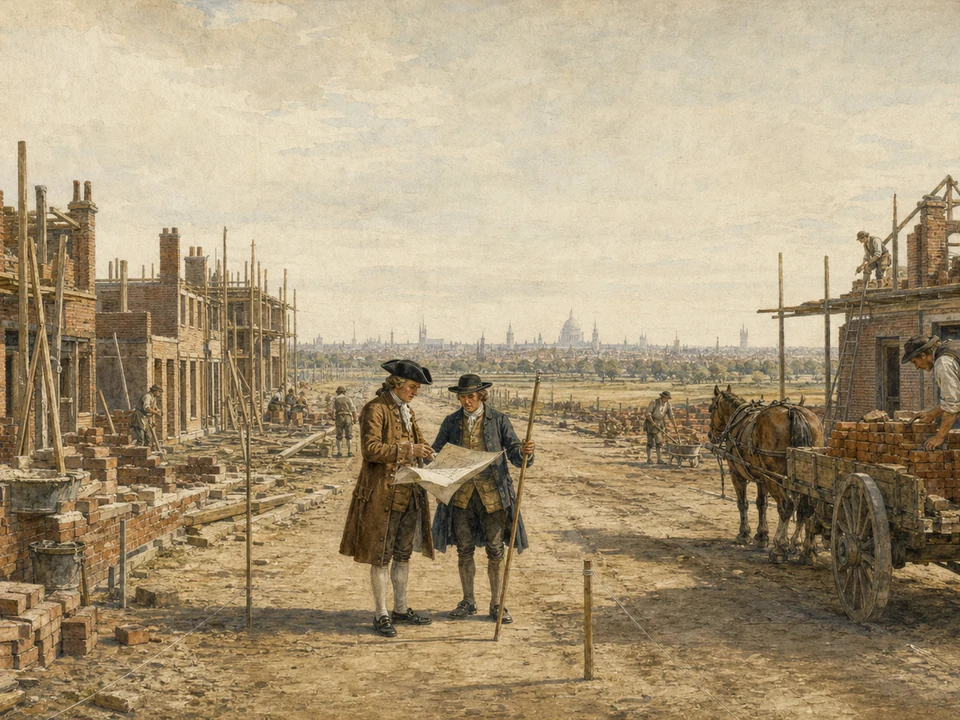
Chapter Sixty-One12 min read
Baker Street
The Georgian builder behind the street that became railway, line name and detective legend.
Read chapter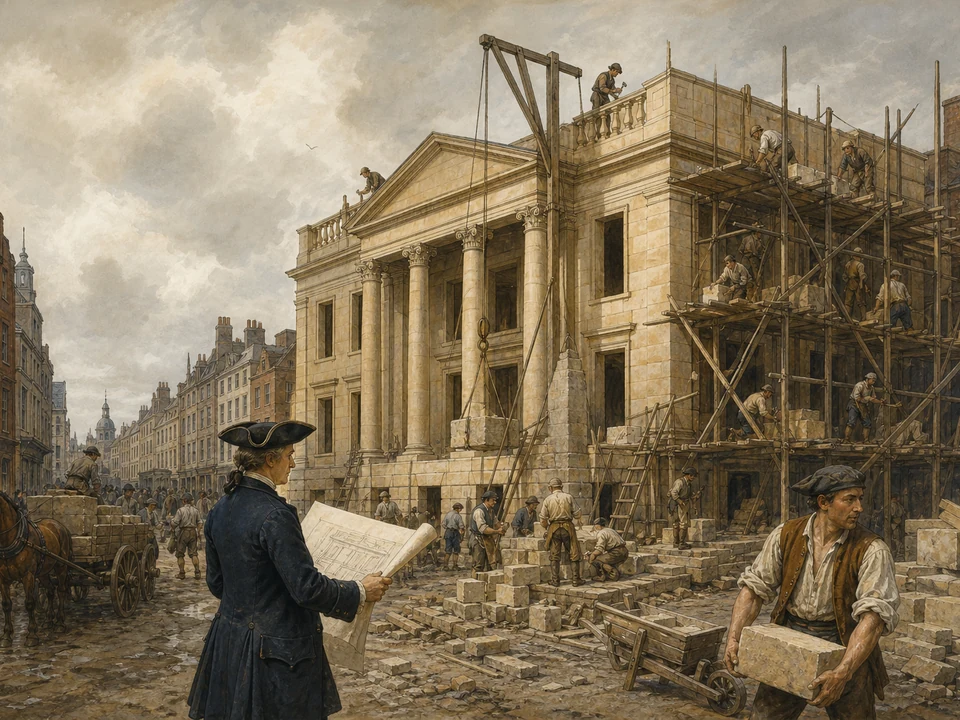
Chapter Sixty-Two14 min read
Bank
How the Bank of England turned an institution, a junction and a one-word station name into the heart of the City.
Read chapter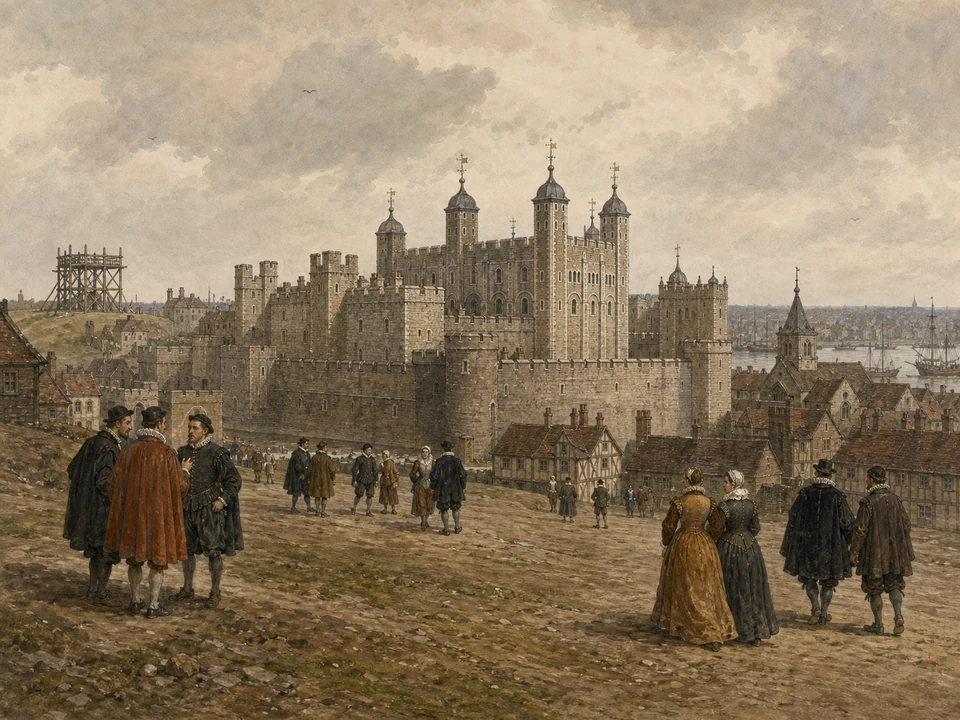
Chapter Sixty-Three13 min read
Tower Hill
The old ground outside the Tower, and the railway name that moved away before returning home.
Read chapter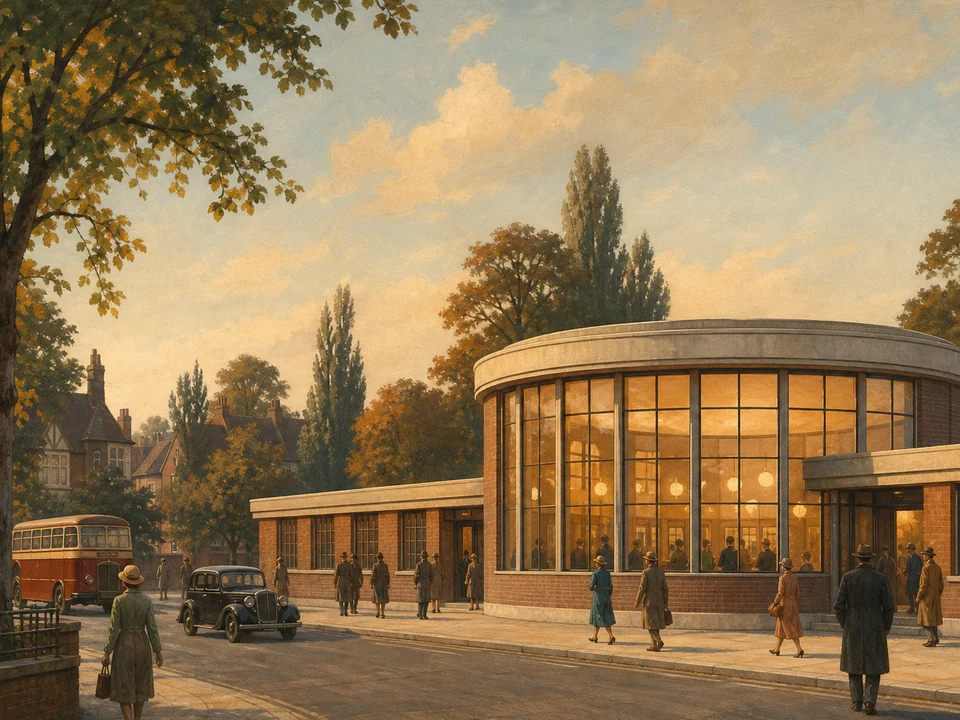
Chapter Sixty-Four14 min read
Arnos Grove
A medieval wood, a private estate, a public park and the bright circular station that fixed an old name on the Tube map.
Read chapter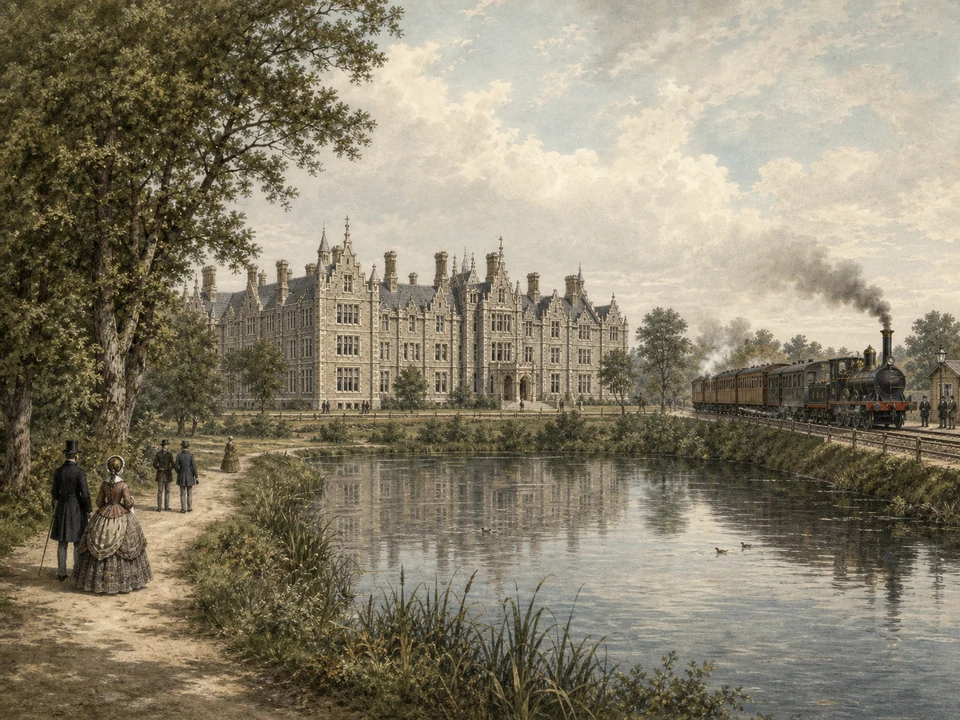
Chapter Sixty-Five13 min read
Snaresbrook
A lost brook, the older Sayesbrook form and the railway that fixed an unresolved name on the Central line map.
Read chapter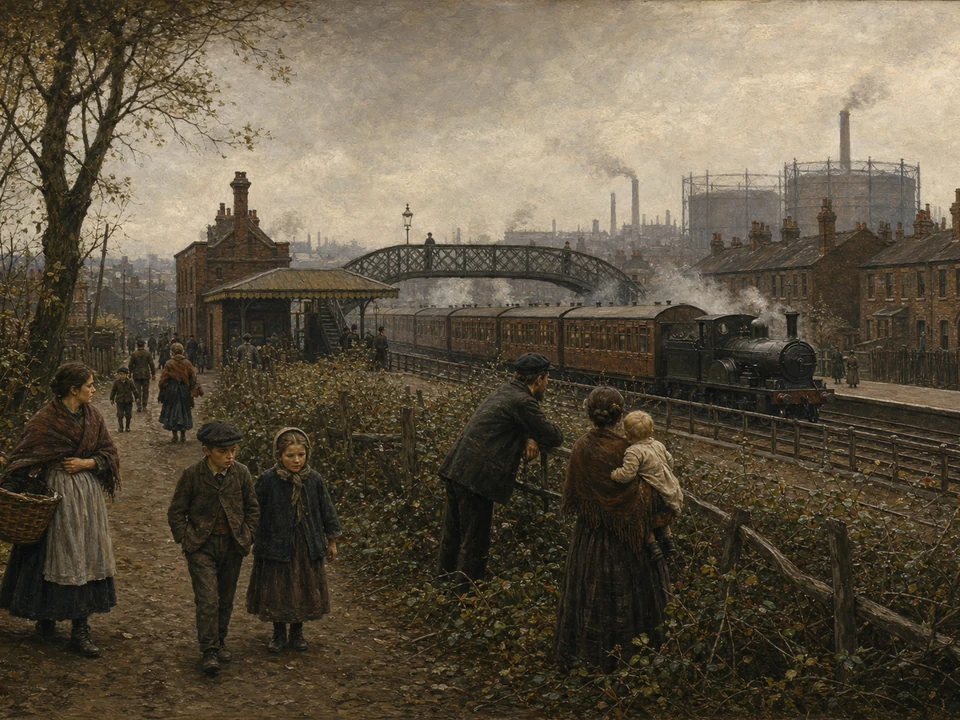
Chapter Sixty-Six14 min read
Bromley-by-Bow
An Old English bramble clearing, St Leonard’s parish and the railway suffix that points travellers to the right Bromley.
Read chapter
Chapter Sixty-Seven15 min read
Chalfont & Latimer
A calf spring, a medieval manor and the country junction whose ampersand points beyond the platform.
Read chapter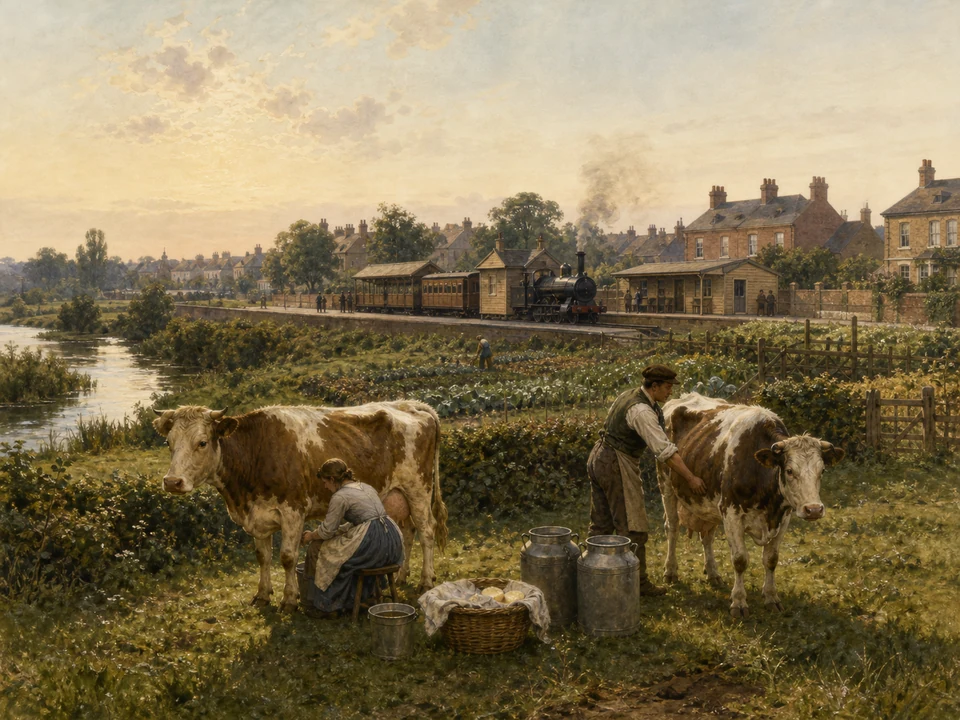
Chapter Sixty-Eight14 min read
Chiswick Park
An Old English cheese farm, an Acton Green platform and the suburban park added by the railway.
Read chapter
Chapter Sixty-Nine15 min read
Chancery Lane
New Street, a Chancellor’s palace, the Rolls of Chancery and a legal name carried beneath Holborn.
Read chapter
Chapter Seventy15 min read
Epping
Upland dwellers, a moving market town, Great Eastern steam and the Central line’s eastern threshold.
Read chapter
Chapter Seventy-One15 min read
Leytonstone
The High Stone, a cautious Roman tradition, Victorian steam and the Central line’s branching rails.
Read chapter
Chapter Seventy-Two15 min read
Woodford
A ford beside the wood, the River Roding, scattered hamlets and the Central line’s forest-edge railway.
Read chapter
Chapter Seventy-Three15 min read
Loughton
Luhha’s settlement, Waltham Abbey estates, Epping Forest and a railway suburb at London’s edge.
Read chapter
Chapter Seventy-Four14 min read
Debden
A deep Old English valley, an ancient manor, Chigwell Lane station and a post-war London estate.
Read chapter
Chapter Seventy-Five14 min read
Chigwell
Cicca’s uncertain spring, forest-edge roads, an Essex manor and a Great Eastern railway carried onto the Central line.
Read chapter
Chapter Seventy-Six14 min read
Buckhurst Hill
An Old English beech-wooded hill, a medieval abbey’s wood, Epping Forest and the 1856 railway that made a town.
Read chapter
Chapter Seventy-Seven13 min read
Camden Town
An Earl Camden estate, Camden Place, William Camden at a careful distance, and the Hampstead Tube junction that fixed the name.
Read chapter
Chapter Seventy-Eight12 min read
Euston
A Suffolk ducal estate, London’s pioneering mainline terminus and two 1907 Underground arrivals behind a remarkably travelled name.
Read chapter
Chapter Seventy-Nine12 min read
Marylebone
A parish church, a hidden stream and a 1917 railway rename explain one of London’s most deceptively spelt station names.
Read chapter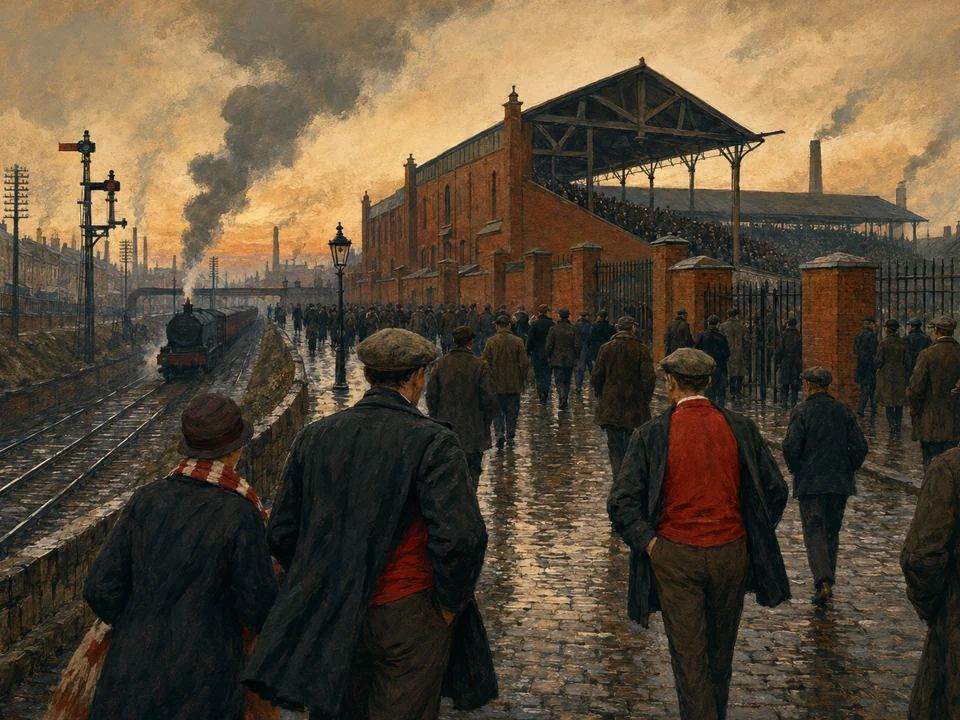
Chapter Eighty12 min read
Arsenal
A Woolwich armaments works, a north London football club and Herbert Chapman’s 1932 campaign explain a unique Underground name.
Read chapter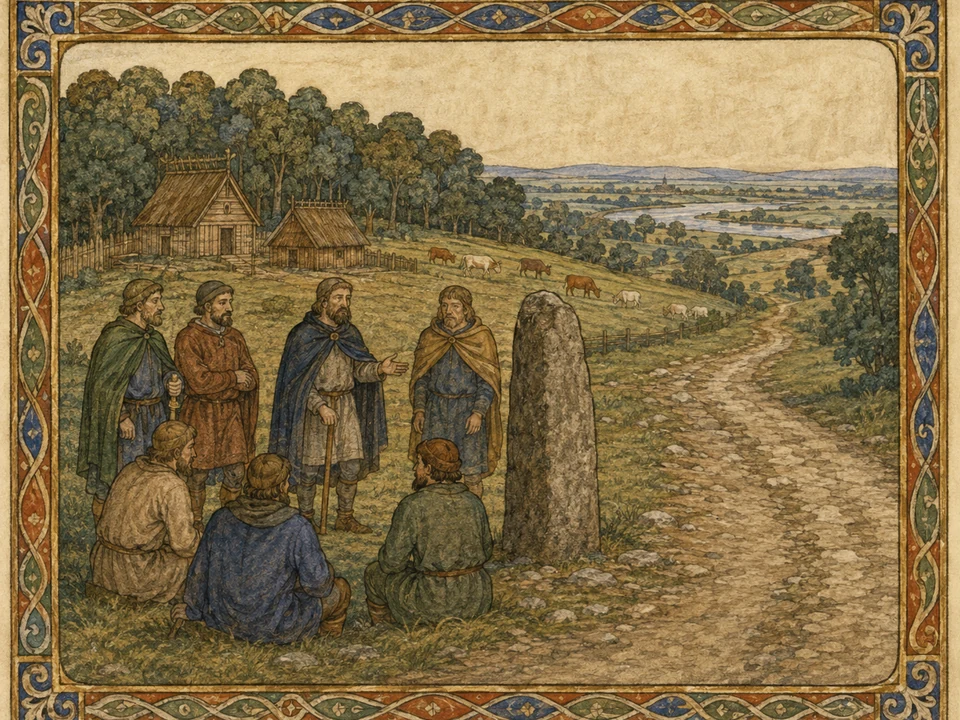
Chapter Eighty-One12 min read
Brixton
A vanished Anglo-Saxon stone, a Surrey hundred and a 1971 terminus lie behind one of south London’s best-known names.
Read chapter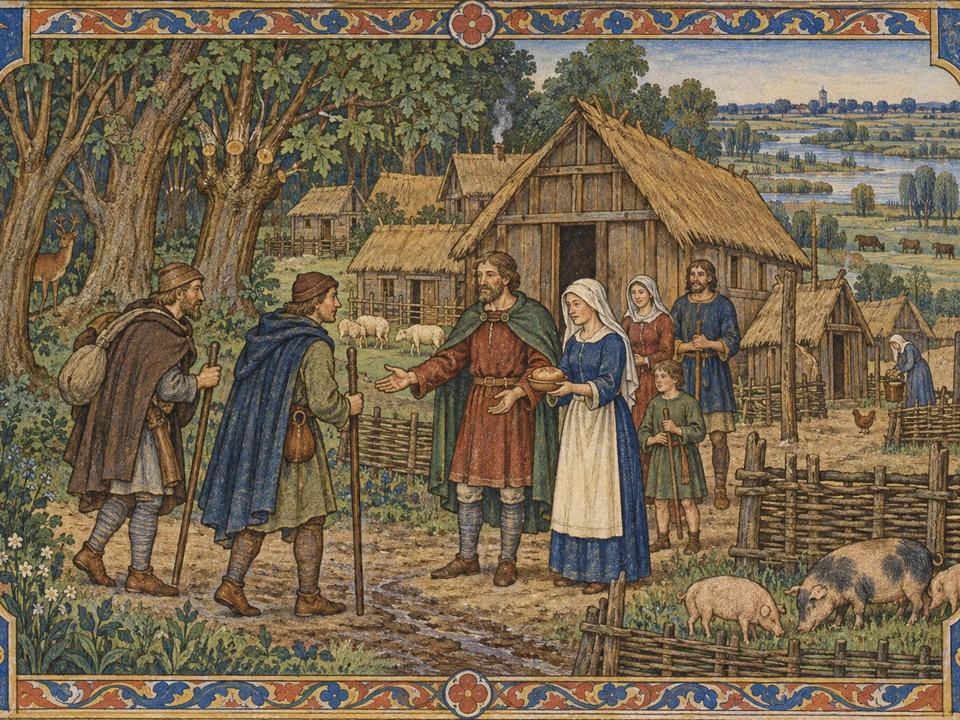
Chapter Eighty-Two14 min read
Walthamstow Central
An Old English welcome-place, an Essex parish and the 1968 Victoria line terminus meet in one travelling name.
Read chapter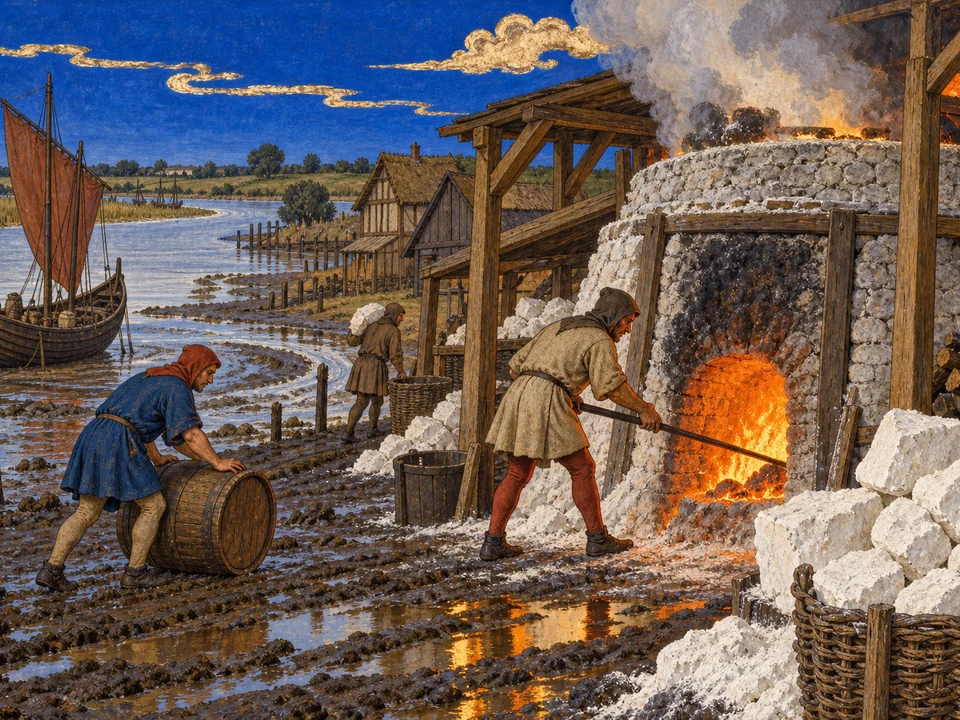
Chapter Eighty-Three14 min read
Limehouse
Medieval lime kilns beside the Thames gave a working riverfront its name before canals and railways made Limehouse an interchange.
Read chapter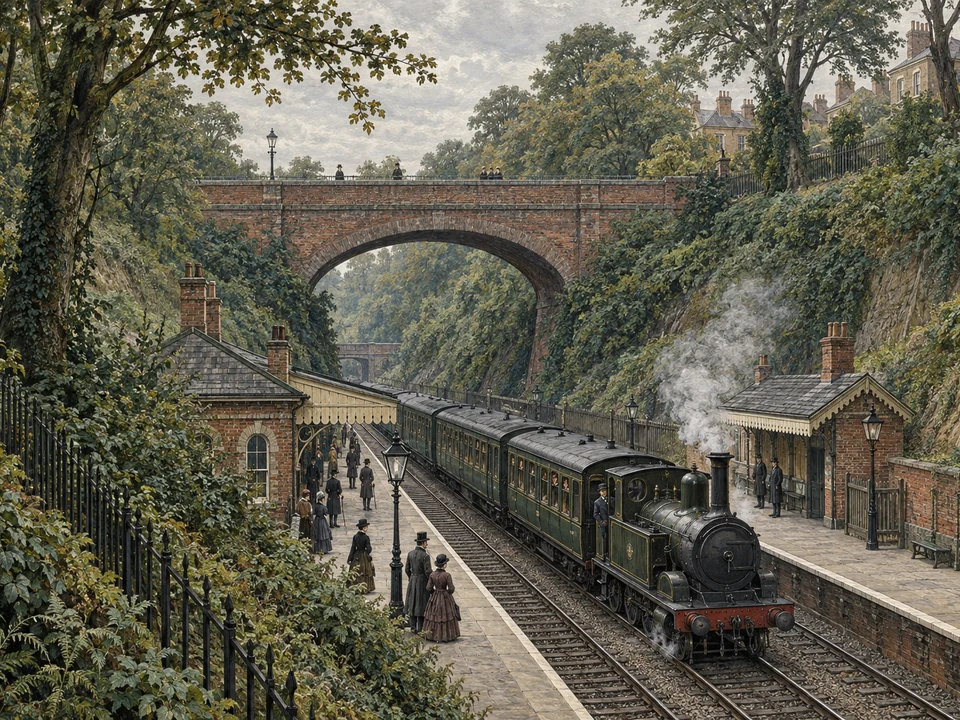
Chapter Eighty-Four11 min read
Highgate
A gate into the Bishop of London’s deer park named a hilltop village long before railways cut through the ridge below.
Read chapter
Chapter Eighty-Five11 min read
Turnpike Lane
A lane leading to a toll barrier kept its name as trams, shops and Charles Holden’s 1932 Underground station transformed the junction.
Read chapterUnderground Culture
Beyond the station names
7 original cultural histories linking art, architecture, music and Carnival to the London below the map.

Art & wartime London14 min read
Henry Moore’s Shelter Drawings
How Tube shelterers became more than 300 drawings—and why the famous images are witness and invention at once.
Read feature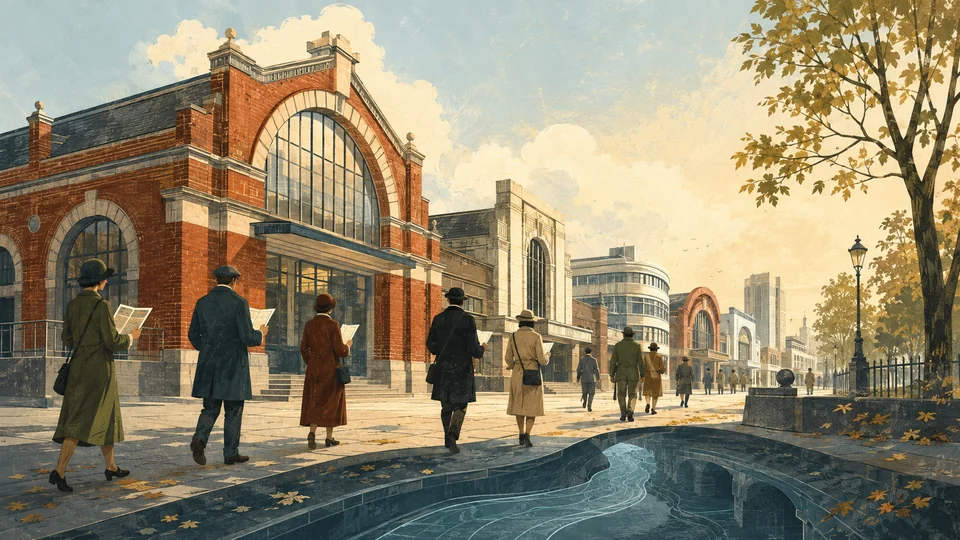
Architecture & hidden London10 min read
Open House Underground History
Five checked events connect Holden’s stations, South Camden, the buried Fleet and Aldwych to the Underground.
Read feature
Music10 min read
The Wrong Abbey Road Station
For the Beatles crossing, use St John’s Wood—not Abbey Road DLR.
Read feature
Music research10 min read
The Beatles’ Missing Tube Station
We checked 293 official song pages. The surprising answer is no.
Read feature
Music11 min read
The Beatles’ London by Underground
A careful route through studios, streets, screens and famous London memory.
Read feature
Community history14 min read
Notting Hill Carnival at 60
The layered beginnings behind sixty years of Carnival in west London.
Read feature
Music history13 min read
The 100 Club Punk Festival at 50
Two nights, one basement and the moment London punk became publicly visible.
Read featureExplore by theme
Follow the names across London
Connect chapters through faith, royalty, streets and inns, engineering, docks and older landscapes.
Read the introduction“A place may forget what it once was. A railway announcement remembers for it.”